Spain offers varied travel in a compact area: beach towns on the Mediterranean, green Atlantic coasts, Moorish palaces, Roman ruins, and lively cities. Major sights are easy to reach by an extensive rail network and domestic flights, while old quarters are walkable. Food and social life center on plazas, cafés, and bars, often late into the night. Regional languages and identities—Castilian, Catalan, Basque, and Galician—add texture. Art museums, festivals, and football animate weekends across the country.
Places to visit in Spain
Madrid
Madrid
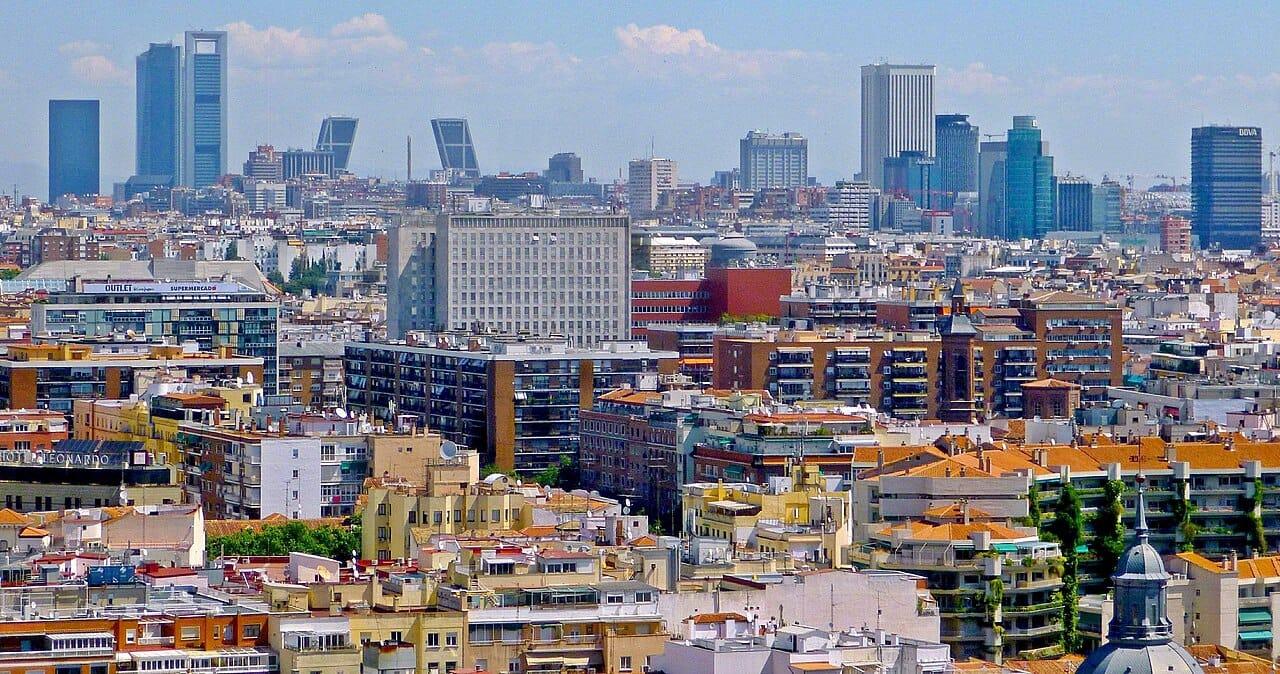
The capital mixes grand boulevards and intimate neighborhoods. Visit the Prado and Reina Sofía, stroll El Retiro, and tour the Royal Palace. Evenings center on plazas and tapas bars, with lively streets until late. Day trips to historic towns are easy from here.
Gaudí’s Sagrada Família and Park Güell frame a city of beaches and narrow Gothic lanes. Ramble La Rambla and El Born, see modernist facades, and relax by the Mediterranean. The blend of Catalan culture, art, and food makes it a popular base.
Andalusia’s capital charms with the Alcázar’s courtyards, the vast Cathedral, and the Giralda tower. Wander whitewashed streets of Santa Cruz, seek out flamenco, and cool off in shaded patios and parks. Orange trees, horse carriages, and river promenades set a relaxed pace.
Backed by the Sierra Nevada, Granada centers on the Alhambra’s palaces and gardens. Explore the steep lanes of the Albaicín and catch sunset viewpoints over tiled rooftops. Tea houses, tapas with drinks, and student energy keep its compact old town lively.
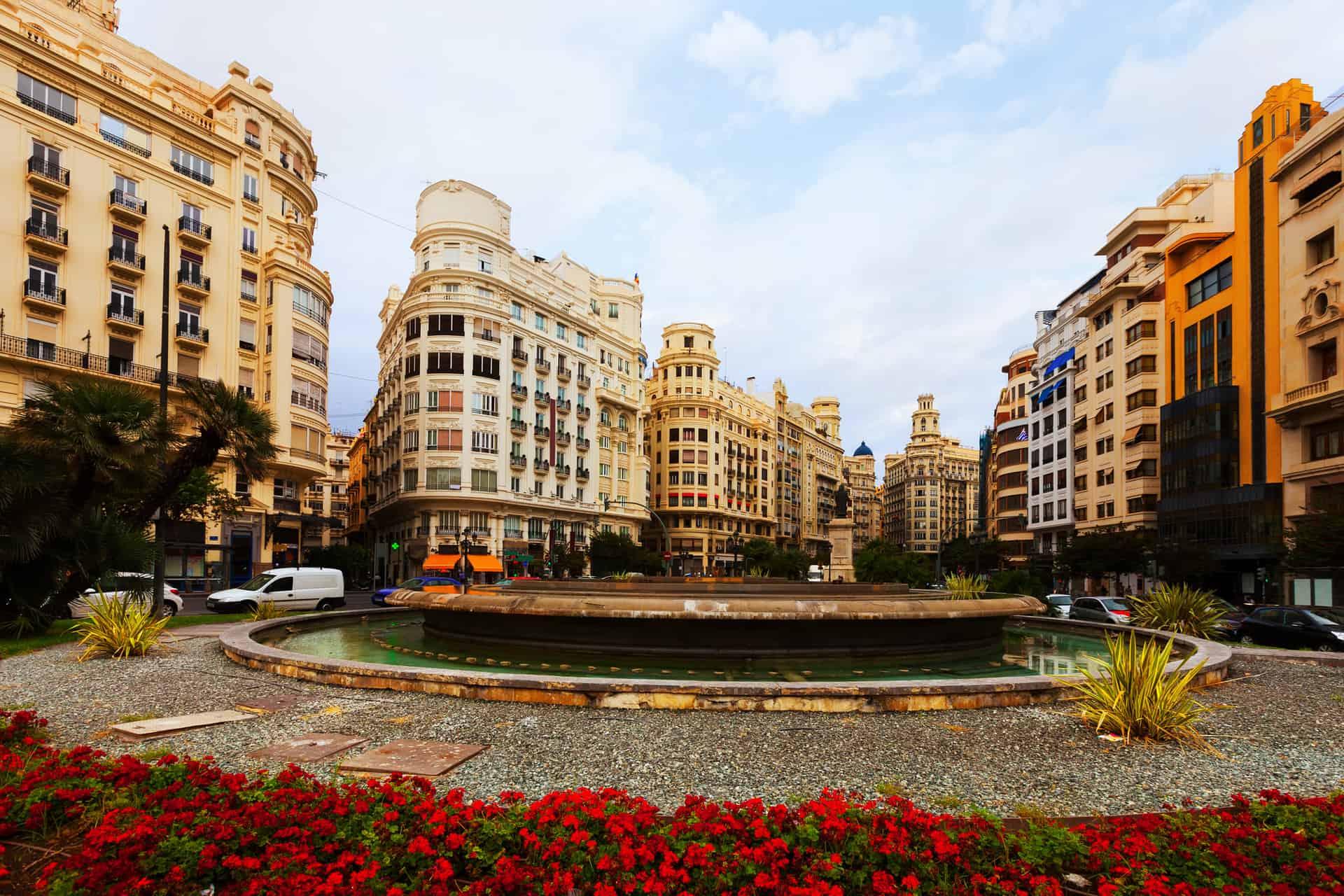
A Mediterranean port with a historic silk exchange and Gothic center, Valencia also shows off futuristic curves at the City of Arts and Sciences. Bike the Turia Gardens, try paella in its home region, and combine urban beaches with an easygoing pace.
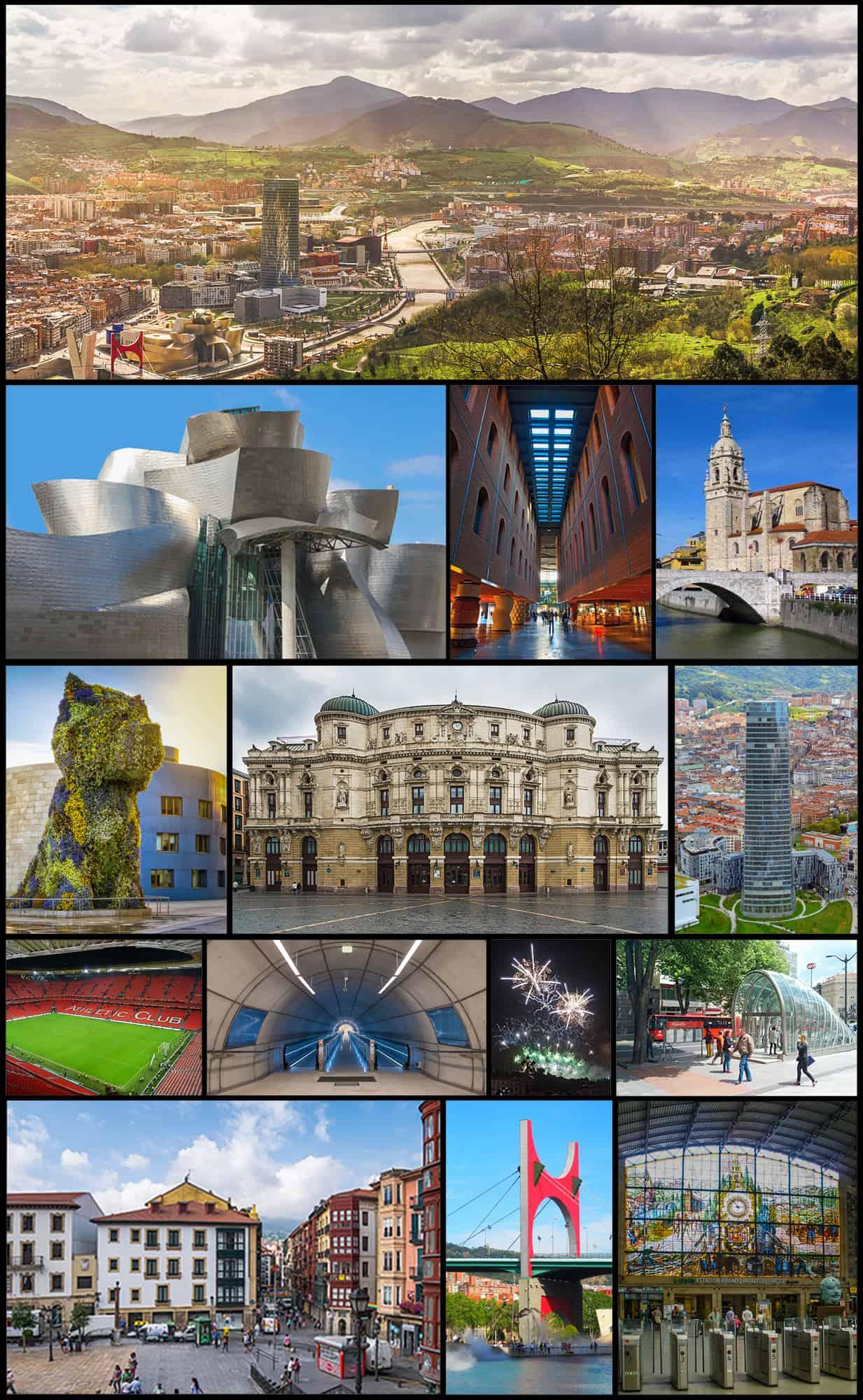
Once industrial, Bilbao reinvented itself around the Guggenheim Museum’s sculptural forms. The riverfront is lined with bridges and galleries, while the old town offers bars piled with pintxos. Nearby green hills and coastal towns round out the Basque Country experience.
Pilgrims finish the Camino at Santiago’s cathedral, a Romanesque and Baroque landmark. Granite streets, arcaded squares, and university life give the compact center atmosphere in any weather. Regional seafood and Galician music add to its distinct character.
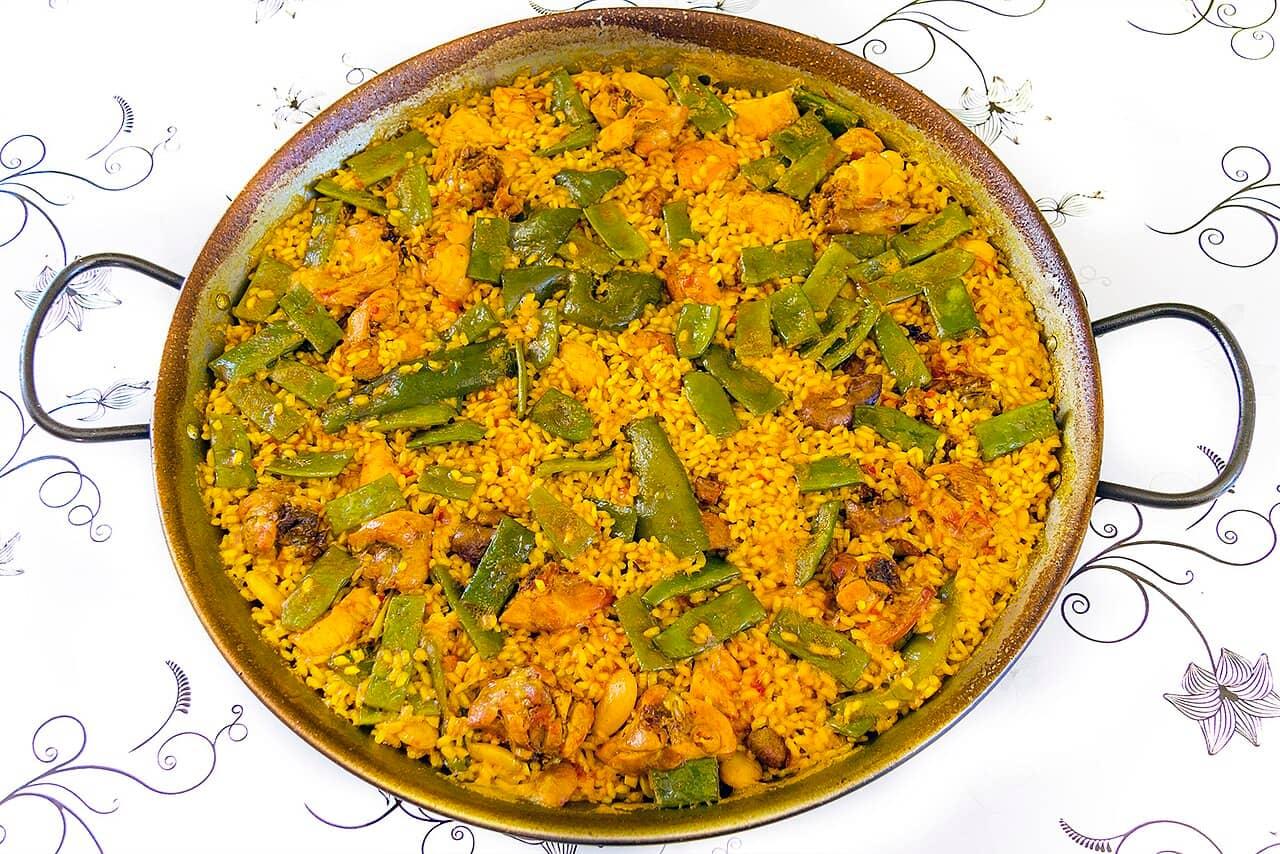
Originating in Valencia, this rice dish is cooked in a wide pan until the grains are tender and the bottom forms a prized caramelized layer, the socarrat. Classic versions feature rabbit and beans or mixed seafood. It’s about the rice more than the toppings.
A thick omelette of eggs, potatoes, and often onions, sliced like a pie and served warm or at room temperature. Found in cafes and bars across the country, it works for breakfast, lunch, or a late snack, sometimes tucked into bread as a simple sandwich.
Spain’s celebrated cured ham, aged for months to years. The finest comes from acorn-fed black Iberian pigs, yielding nutty, silky slices served at room temperature. Enjoy it on its own, with bread and tomatoes, or alongside cheeses and olives.
A chilled Andalusian soup blended from ripe tomatoes, cucumber, peppers, olive oil, and vinegar. Smooth and refreshing, it’s poured into a glass or bowl and eaten as a light meal or starter. Related dishes like salmorejo are thicker and topped with egg and ham.
Ridged, fried dough sticks dusted with sugar and dipped into a cup of thick hot chocolate. Loved for breakfast and late nights, they appear at cafes and street stalls. Crisp outside and fluffy within, they’re best eaten fresh from the fryer.
In the Basque Country, small bites are arranged on bread or skewers and displayed along the bar. You order a few at each stop and move on, sampling everything from seafood to tortillas. Toothpicks and tallying plates keep count in some places.
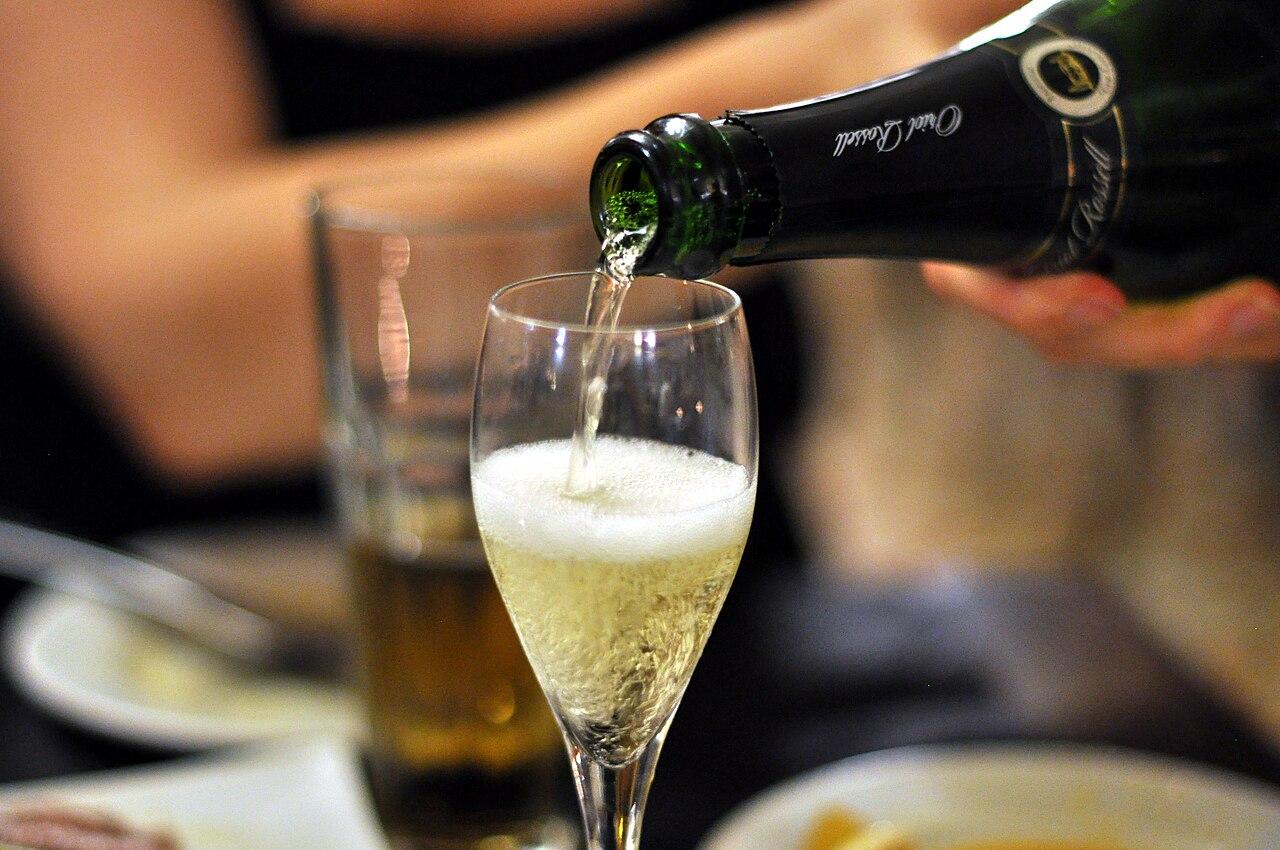
Catalonia’s sparkling wine, made by the traditional method. Dry styles are common, but rosé versions exist. It’s poured for celebrations, aperitifs, and casual lunches alike, pairing well with salty and fried foods as well as seafood.
Layers of civilisations shaped Spain. Romans built roads, aqueducts, and cities whose remains still dot the landscape. After the fall of Rome, Visigoths ruled until Muslim forces established Al‑Andalus, bringing advances in science, agriculture, and architecture visible in Córdoba’s mosque‑cathedral and Granada’s Alhambra. Christian kingdoms in the north expanded over centuries, culminating in 1492 with the conquest of Granada and the voyage that launched a vast overseas empire. Wealth from the Americas funded a cultural Golden Age, alongside wars and religious uniformity. Habsburg and Bourbon dynasties left palaces and city grids. The 20th century saw a brutal civil war and a long dictatorship. A later transition to democracy created autonomous regions, helping explain today’s strong regional cultures, languages, and festivals.
Local etiquette
Offer a brief “hola” or “buenos días/buenas tardes” when entering shops or before asking for help.
Handshakes are standard; cheek kisses between acquaintances are common—let locals lead.
Dress modestly and speak softly in churches and monasteries; remove hats inside.
Don’t handle market produce unless invited; point and the vendor will select and weigh it.
Locals often dine later than many visitors; be patient with the slower, social pace of meals.
Stay safe
Distraction pickpockets in crowded tourist areas, on public transport, and at airports (baggage claim, gate changes, taxi lines); teams target passports and phones.
Motorway pull‑over scam: someone flags you down for a supposed puncture or damage; while you check, an accomplice steals from the car.
Drink spiking in bars and clubs; watch for strangers offering drinks and keep your drink in sight, as alcohol lowers vigilance.
Police‑impersonator scam: plainclothes ‘officers’ ask to see your wallet; genuine police carry ID and do not ask for wallets or purses.
Safety guidance on this page is based on official government travel advice. Always check the latest advice before you travel.
Travelling to Spain?
Get online the moment you land with a Spain eSIM — no roaming bills, no swapping SIM cards.
Tipping is not obligatory. Rounding up or leaving small change in cafes, bars, and taxis is appreciated; add a little extra at sit‑down restaurants for attentive service.
Tap water
Safe to drink
Best months
April–June and September–October for warm, dry weather, lively festivals, and fewer crowds than peak summer.
Spain Travel Guide for First-Time Visitors | CloudOn eSIM