Indonesia stretches across thousands of islands, with dramatic volcanoes, dense forests, and busy cities. Travel feels varied: one day you’re walking through a royal palace or a temple ceremony, the next you’re diving coral reefs or hiking a crater rim. Distances are large, and journeys can take time, but there’s plenty to reward a patient schedule. Street food stalls and local markets sit beside contemporary cafes and galleries. Bali draws many first-timers with beaches and arts, while Java offers historic sites and urban energy, and eastern islands bring quieter villages and big open seascapes. English is widely understood in tourist centers, less so elsewhere, but smiles, basic phrases, and a relaxed pace go a long way.
Places to visit in Indonesia
Jakarta
Jakarta
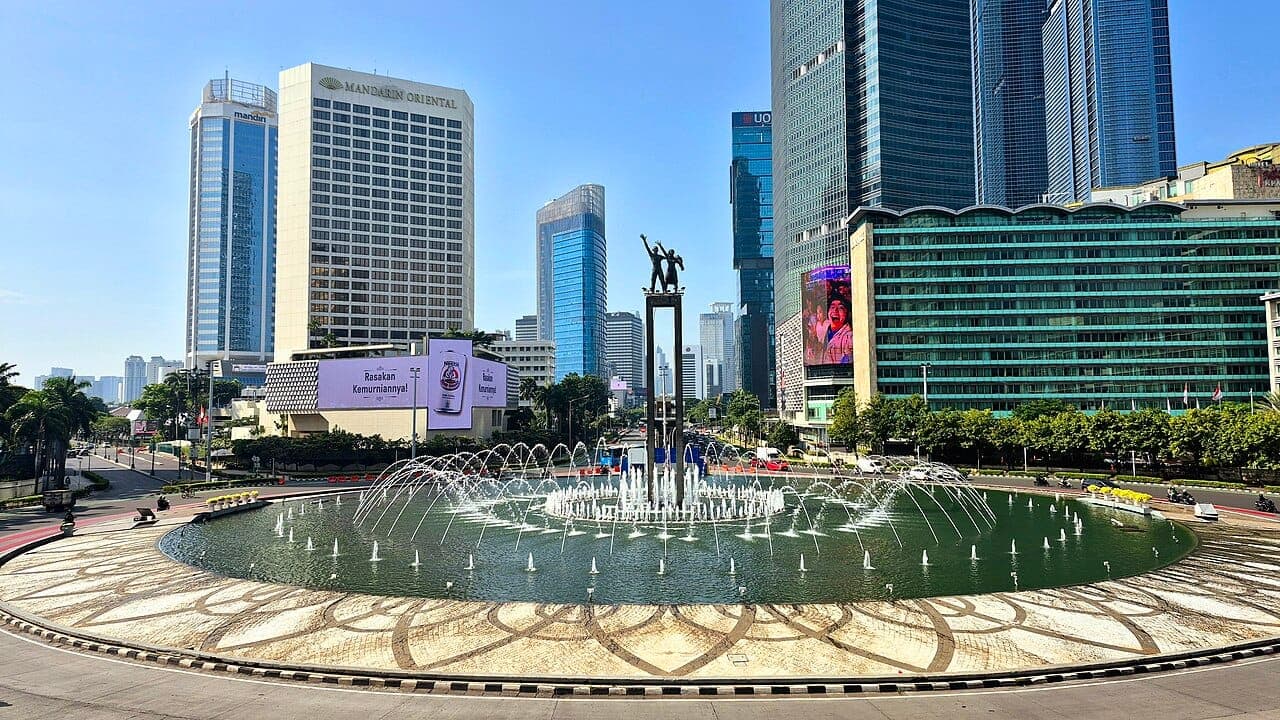
Indonesia’s capital pairs gleaming high-rises with remnants of the Dutch era in Kota Tua. Visit the National Monument and museums, explore Chinatown’s markets, and sample street food in the evenings. Traffic is heavy, so plan clusters of sights. Riverside kampung, modern malls, and a growing arts scene show the city’s contrasts.
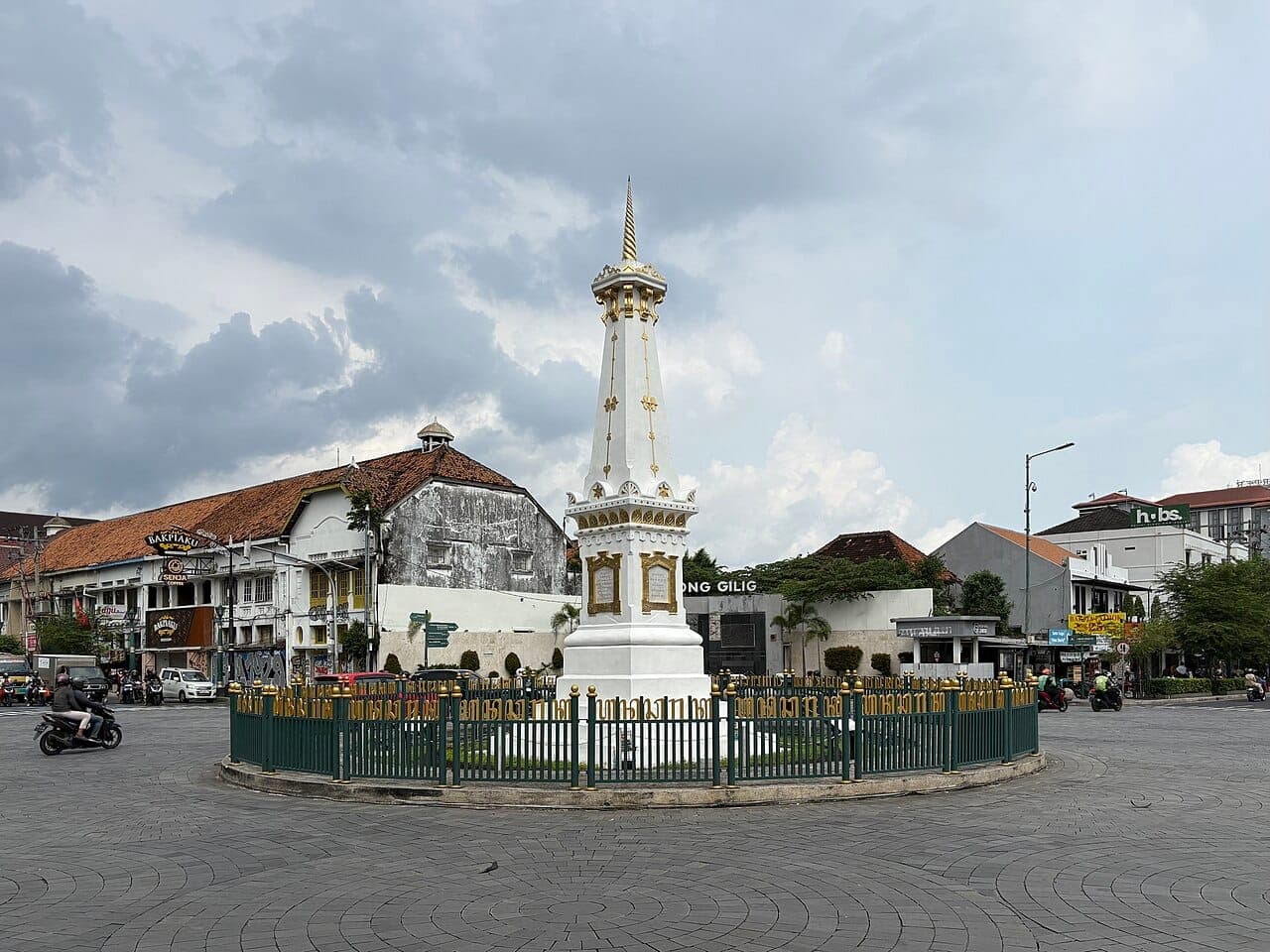
Yogyakarta centers on the kraton, a living royal palace with gamelan traditions and batik workshops nearby. Stroll Jalan Malioboro for handicrafts and street performances. Use it as a base to see Borobudur and Prambanan, two spectacular temple complexes outside the city. Cafes, student energy, and murals give it a creative edge.
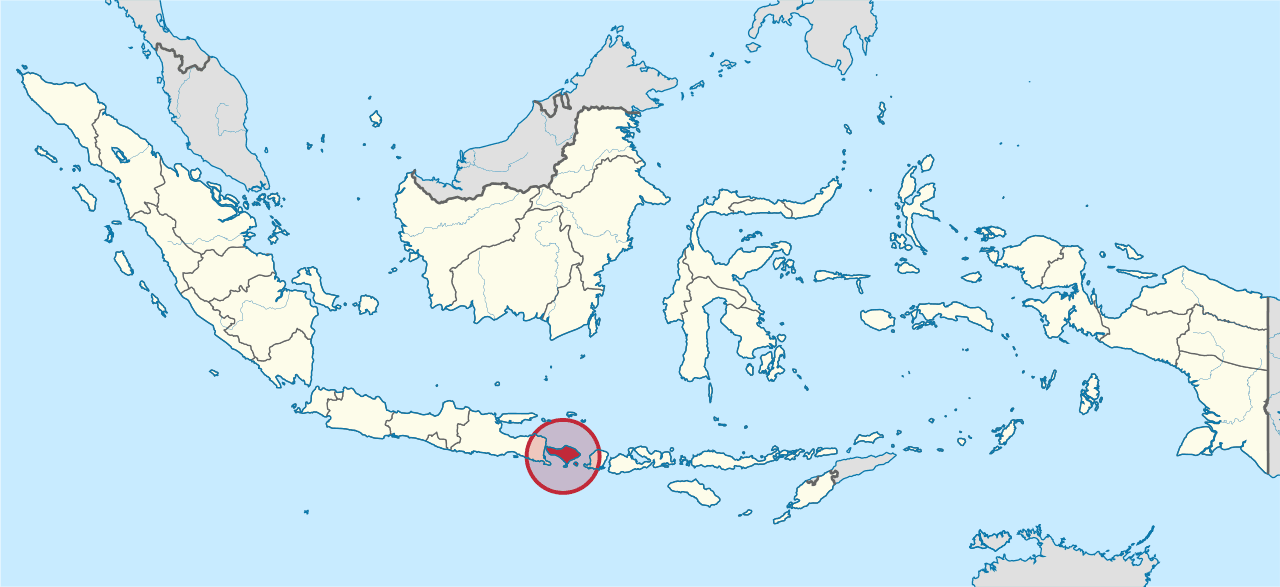
Bali mixes ornate temples, terraced rice fields, and surf-friendly beaches. Ubud’s galleries and dance performances highlight island arts, while coastal areas offer sea cliffs and sunsets. You’ll encounter daily offerings, ceremonies, and family compounds that reveal Balinese Hinduism. Inland waterfalls and volcano viewpoints balance the island’s busier resort strips.
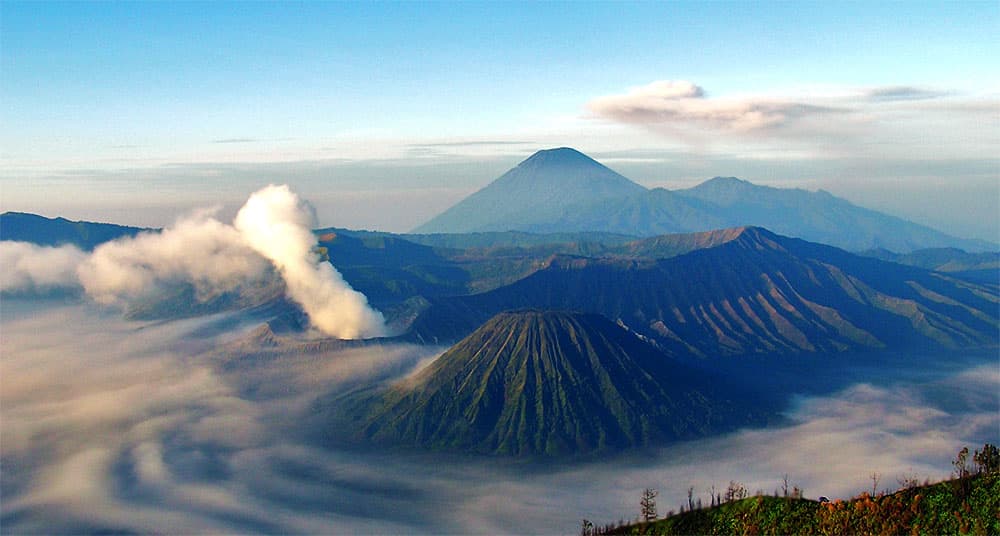
An active volcano within the Tengger caldera, Mount Bromo is famous for sunrise views over a sea of sand. Jeeps and footpaths lead to viewpoints and the crater rim. The air is cool, and conditions change quickly. Nearby villages reflect Tenggerese culture rooted in old Javanese traditions.
Known for Komodo dragons on Komodo and Rinca, the park also offers clear-water snorkeling and dramatic hills. Guided walks keep visitors at safe distances from the reptiles. Strong currents make the marine life prolific. Island viewpoints, pink-tinged beaches, and simple coastal villages round out days on the water.
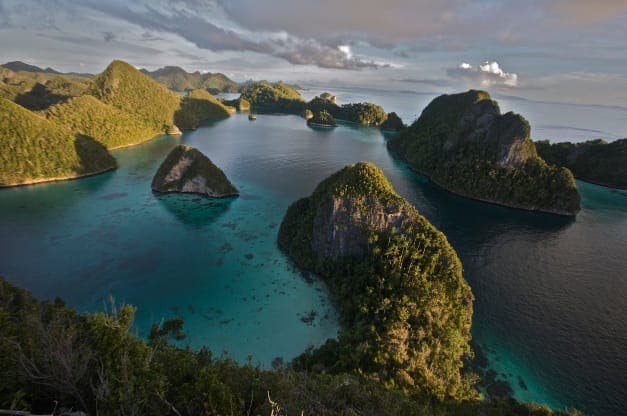
An island maze of limestone pinnacles and dense forest, Raja Ampat sits over extraordinarily rich reefs. Snorkelers and divers come for mantas, schools of fish, and healthy coral gardens. Birdwatchers look for birds-of-paradise at dawn. Expect limited infrastructure and rewarding seascapes that feel far from Indonesia’s busy core.
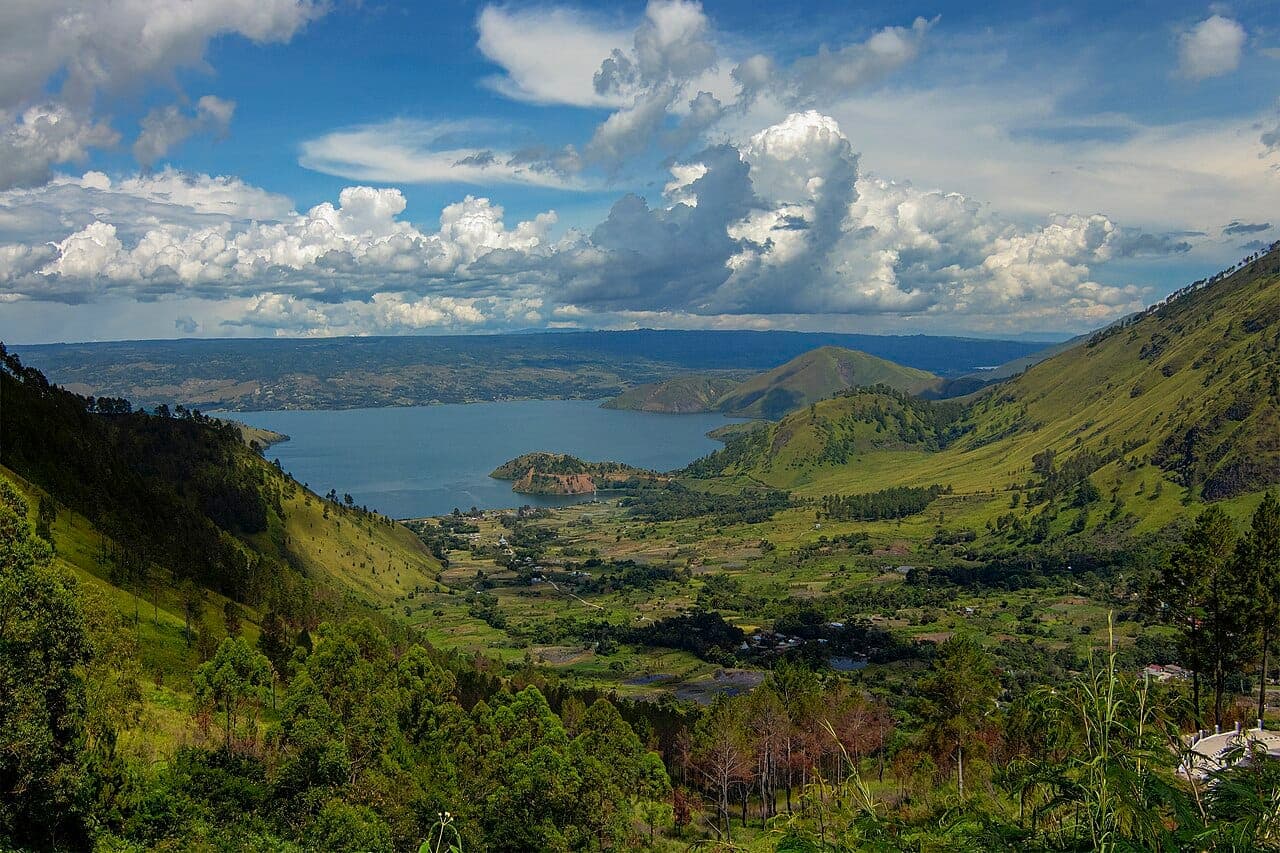
A vast volcanic lake ringed by hills, Toba is a calm retreat after Sumatra’s cities. Base on Samosir Island to see Batak houses with high-swept roofs and churches nestled beside rice fields. Ferries link villages, and quiet roads invite cycling between waterfalls, hot springs, and scenic viewpoints.
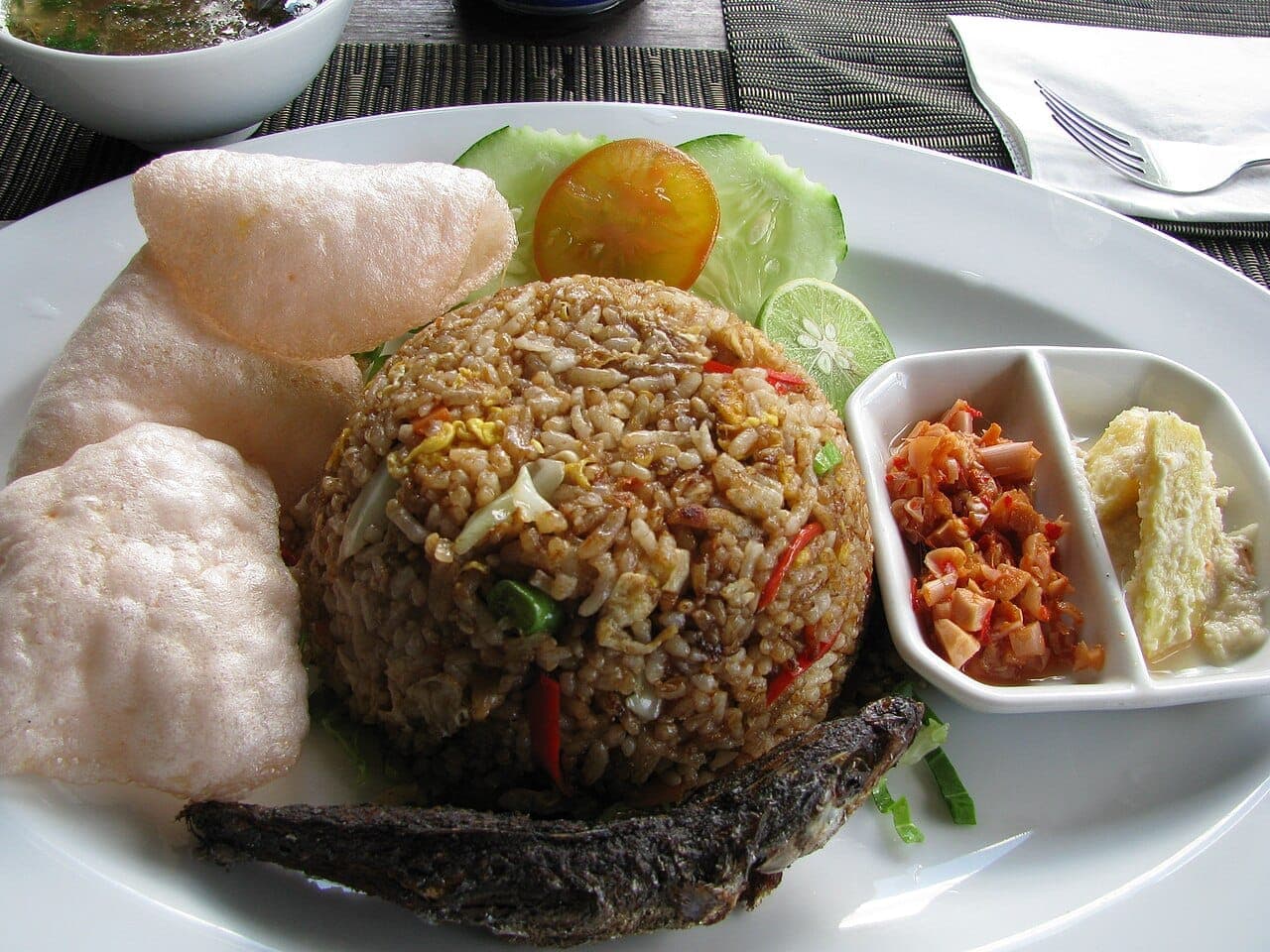
Indonesia’s fried rice, often cooked with kecap manis, garlic, and shallots, then topped with a fried egg. It appears at stalls and cafes alike, customized with prawns, chicken, or vegetables. The sweet-salty sauce and smoky wok aroma make it a comforting, anytime staple.
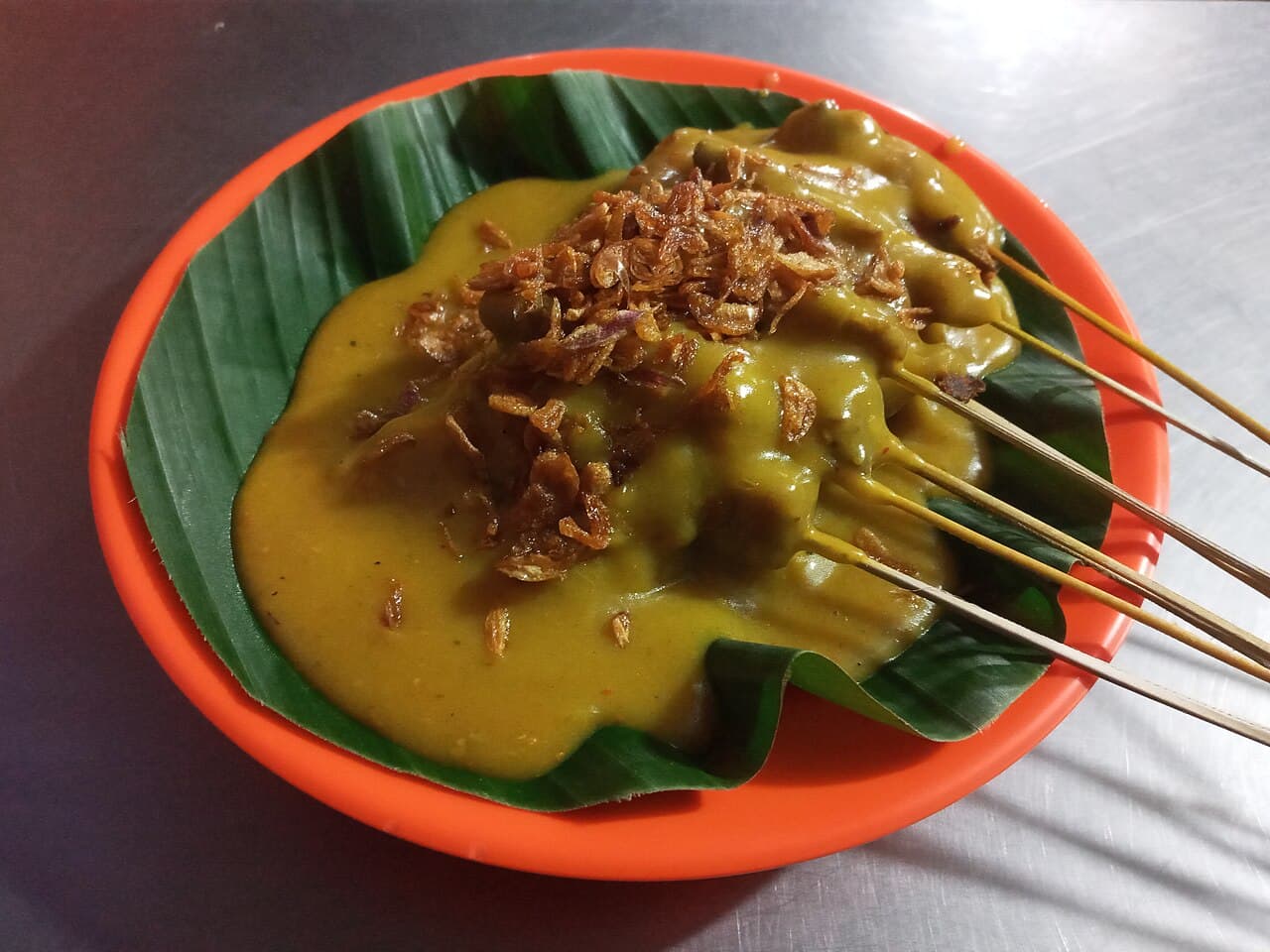
Skewers of marinated meat grilled over charcoal and served with peanut sauce or spiced soy. Chicken and goat are common, but you’ll see regional versions everywhere. Satay often comes with rice cakes and sliced shallots, balancing char, sweetness, and heat in simple, satisfying bites.
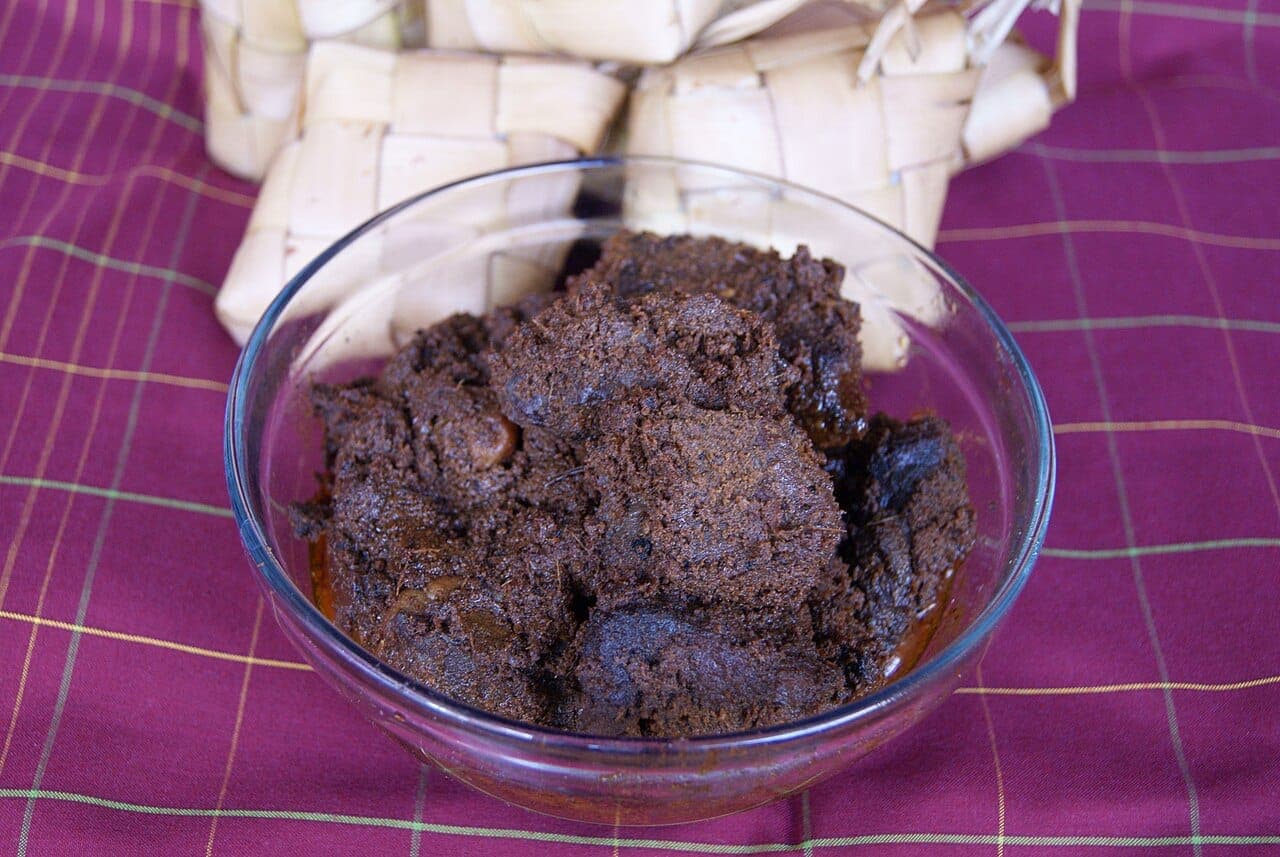
A slow-cooked dish from Minangkabau cuisine, beef simmered in coconut milk with chilies, galangal, lemongrass, and spices until dark and tender. It’s rich, fragrant, and keeps well without refrigeration, which helped it spread nationwide. Often served with rice and accompanying vegetable sides.
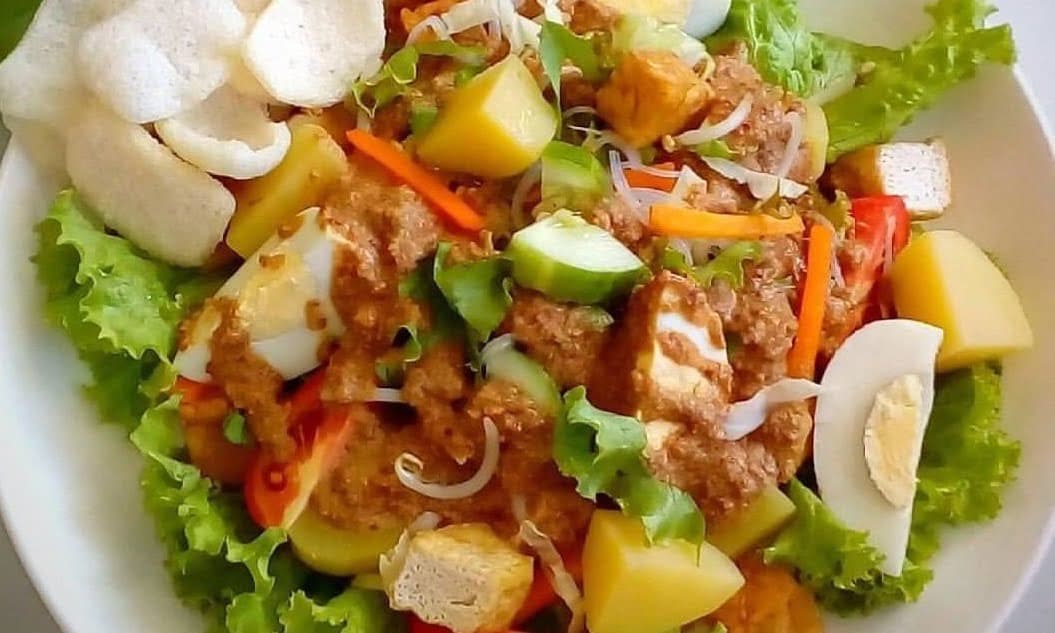
A salad of blanched vegetables, tofu, and tempeh dressed in a thick peanut sauce, often with hard-boiled egg and prawn crackers on the side. It’s hearty yet fresh, with crunch from sprouts and cucumber and a sweet-savoury sauce that varies by vendor and region.
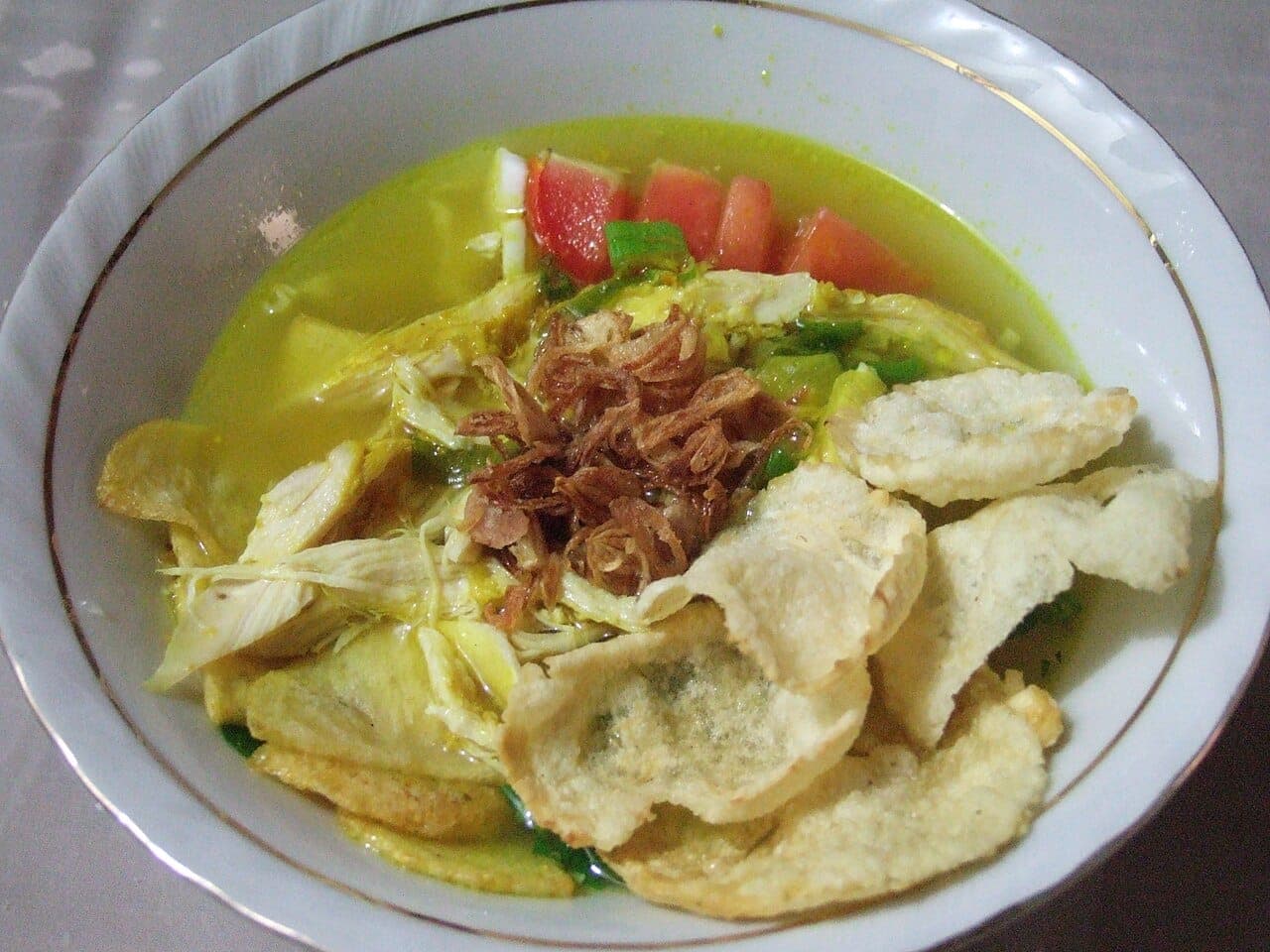
A clear, aromatic chicken soup with turmeric-stained broth, shredded meat, glass noodles or rice, and herbs. Lime, sambal, and fried shallots let you season to taste. It’s eaten at breakfast or lunch across Java and beyond, warming and light rather than heavy.
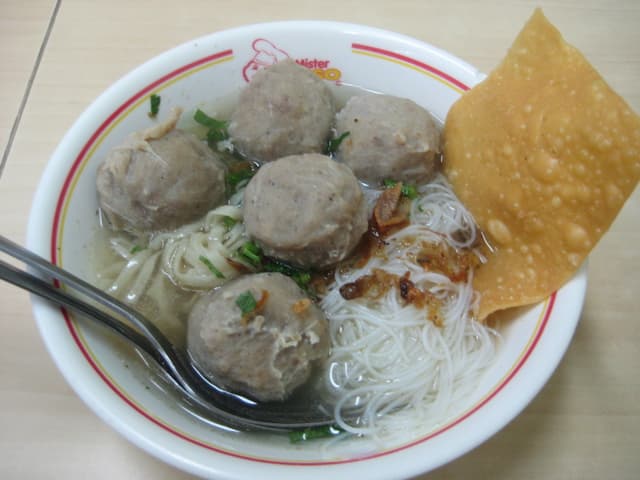
Springy meatball soup loved across Indonesia, served in a savory broth with noodles, greens, and fried wontons or tofu. Street carts and casual eateries prepare many sizes, sometimes with a soft filling inside. The appeal is in the clean broth, chewy texture, and customizable condiments.
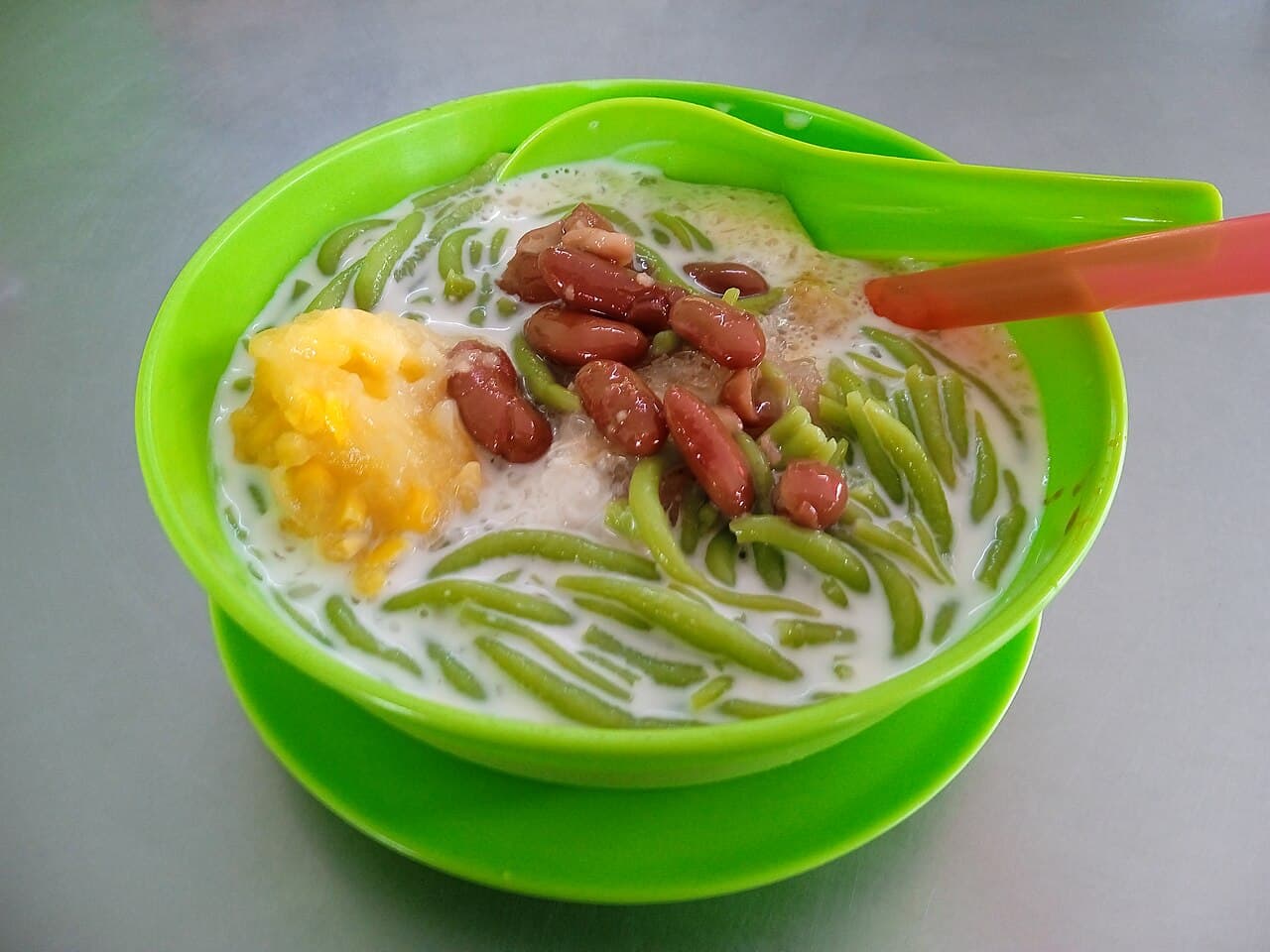
An icy dessert-drink of green rice-flour jellies, coconut milk, and palm sugar syrup. It’s refreshing in the heat, with a caramel note from the sugar and a fragrant richness from the coconut. Variations add shaved ice, red beans, or jackfruit depending on region.
Long before modern borders, Indonesia sat on key trade routes linking India, China, and the Middle East. Early maritime kingdoms such as Srivijaya and later Majapahit grew wealthy on spices, Buddhism and Hinduism flourished, and temples like Borobudur and Prambanan were built. Islam spread through ports from the 13th century, creating sultanates that still shape local identity. European powers arrived seeking cloves, nutmeg, and mace; the Dutch East India Company and then the Dutch state dominated the archipelago, extracting resources and reshaping society. During the Second World War, Japanese occupation shattered colonial control. In 1945 nationalists proclaimed independence, leading to a revolution and the birth of the Republic of Indonesia. Guided democracy under Sukarno gave way to Suharto’s centralized “New Order,” which emphasized stability and growth but curbed dissent. After political upheaval in the late 1990s, reforms loosened control from the center, elections expanded, and regions gained autonomy. Visiting today, you’ll see layered traditions: royal courts, mosques and temples, colonial-era districts, and national monuments that reflect a diverse, still-evolving state.
Local etiquette
Use your right hand to give or receive items; avoid the left hand.
Remove shoes before entering homes and many temples; follow dress codes at religious sites.
Public displays of affection are frowned upon; keep behavior modest.
Ask before photographing people, ceremonies, or private compounds.
Do not point with your index finger; gesture with your whole hand or thumb.
Stay safe
Credit card and ATM fraud: skimming and fake “ATM helpline” numbers are reported; keep your card in sight, use ATMs in secure bank locations, and check machines for tampering.
Unlicensed money changers: short‑changing is common; use only licensed exchanges displaying the Bank of Indonesia logo and a QR code, and verify the QR code shows the business and its licence.
Drink spiking and counterfeit alcohol (methanol) in tourist areas: watch drinks being prepared, don’t accept drinks from strangers, and don’t leave drinks unattended.
Internet romance and financial scams: be wary of anyone you meet online who asks for money or claims emergency detention or hospital bills.
Safety guidance on this page is based on official government travel advice. Always check the latest advice before you travel.
Travelling to Indonesia?
Get online the moment you land with a Indonesia eSIM — no roaming bills, no swapping SIM cards.
Tipping is not expected but appreciated in tourist areas. Round up small bills, and consider a modest cash tip for hotel staff, drivers, or guides if service feels above-and-beyond, especially where no service charge is included.
Tap water
Tap water is not safe to drink; use bottled or boiled water.
Best months
Generally May–September for drier weather and calmer seas; wet season peaks around November–March. Some islands differ, but the dry months suit hiking and water activities.
Indonesia Travel Guide for First-Time Visitors | CloudOn eSIM