France rewards slow travel. Trains stitch together grand cities and small towns, letting you pair museums with village markets in the same trip. Landscapes shift quickly: Atlantic shores and Normandy cliffs, vineyard plains, the Loire’s châteaux belt, Alpine peaks, and the Mediterranean. Food structures each day, from early pastries to long lunches and regional specialties. Cities are walkable, with cafés, parks, and river quays for pauses. A few polite French phrases smooth interactions. Signage is clear, public transport is widespread, and cultural events are frequent. Beyond big hubs, days move at a measured pace shaped by seasons and local traditions.
Places to visit in France
Paris
Île-de-France
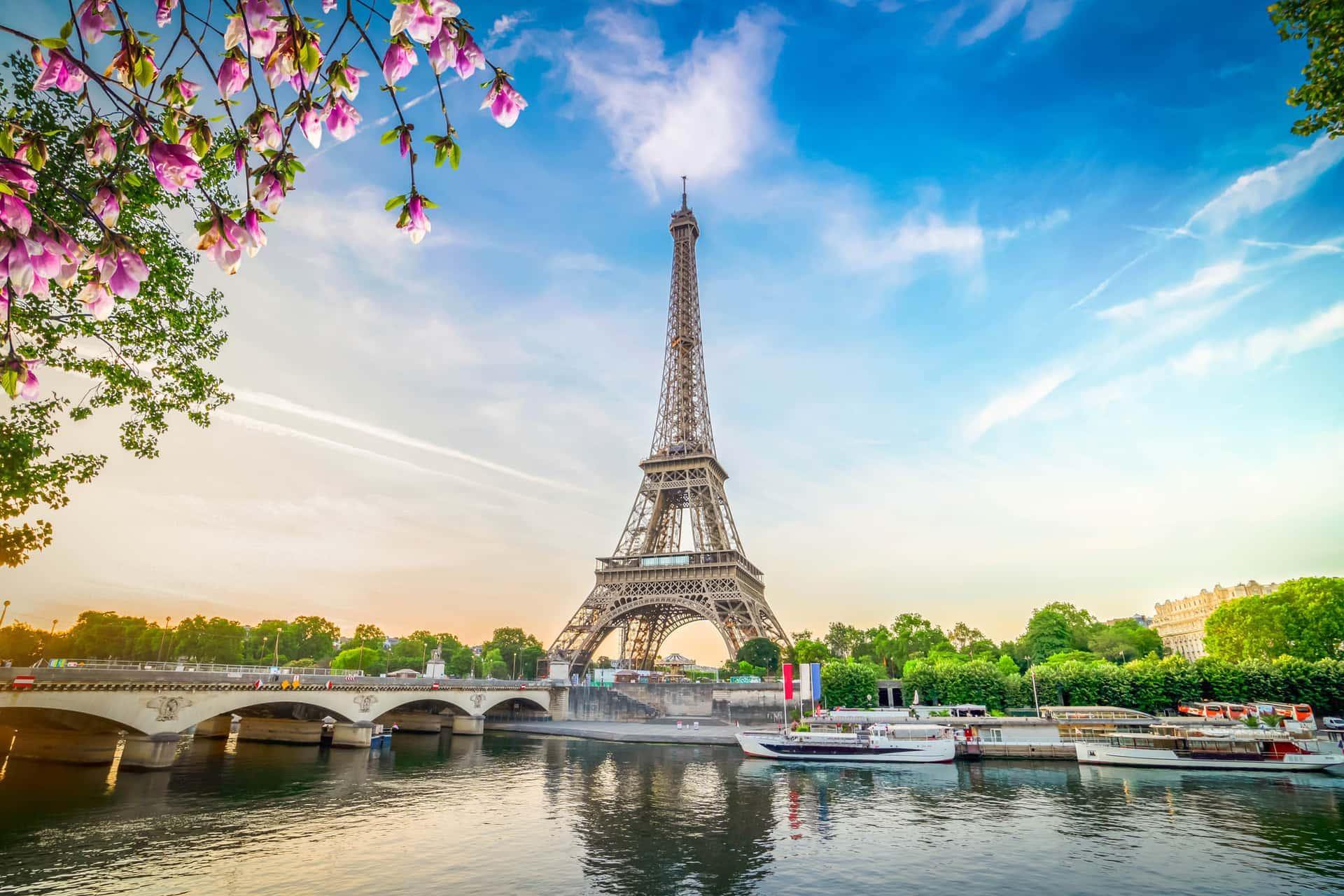
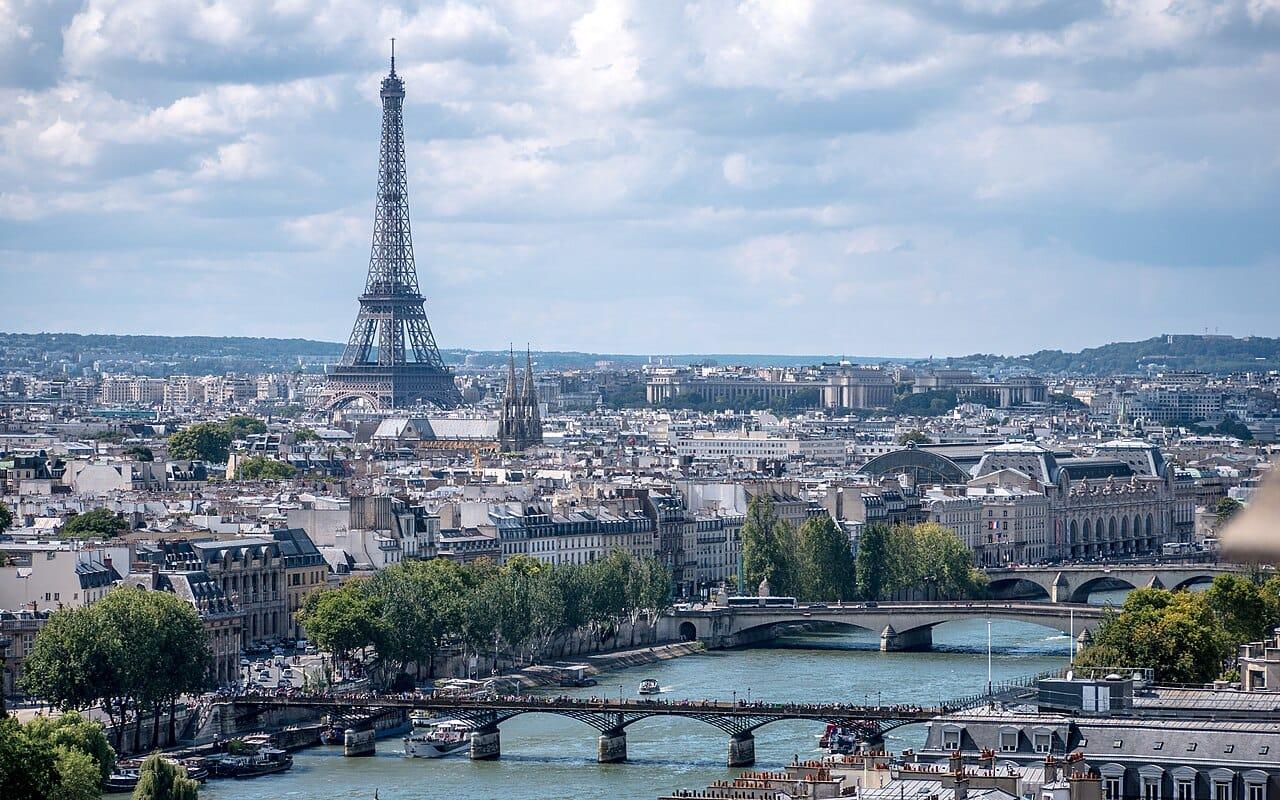
Paris layers iconic sights with lived-in neighborhoods. The Seine’s bridges link the Louvre, Île de la Cité, and the Left Bank’s bookstalls. Climb or view the Eiffel Tower, stroll the Tuileries and Luxembourg Gardens, and explore varied arrondissements where cafés, covered passages, and markets reveal daily rhythms beyond the headline monuments.
An abbey crowns this rocky islet, encircled by vast tidal flats that transform its setting each day. Walk the ramparts, climb to the Gothic church, and look back across the bay from the causeway. The village lanes are steep and narrow, rewarding early or late visits with quieter views.
Along the broad Loire, ornate châteaux rise over riverside towns and vineyards. Explore palaces with turreted silhouettes, formal gardens, and hunting forests, then linger in historic centers with half-timbered houses. Gentle terrain and signed paths make it easy to link sights by bike or car between Angers, Amboise, and Blois.
A graceful riverfront frames Bordeaux’s 18th‑century stone squares and avenues. Wine defines the region, from urban tasting bars to vineyard towns on the Gironde’s estuary. Between museum visits and strolls through the historic center, day trips reach Médoc châteaux or Arcachon Bay’s dunes and oysters on the Atlantic.
Provence mixes Roman arenas and aqueducts with hill towns, lavender fields, and olive groves. Market days fill squares with produce and herbes de Provence. Artists loved its light; you can trace them in Arles, Aix, and Saint-Rémy. Coastal calanques and inland plateaus offer easy walks between villages and viewpoints.
Between sea and hills, the Riviera strings together beaches, Belle Époque villas, and promenades. Base in Nice or Antibes for museums, markets, and coastal walks, then ride trains to Cannes, Menton, or hilltop Èze. Clear winter light and summer swims make it appealing in different seasons.
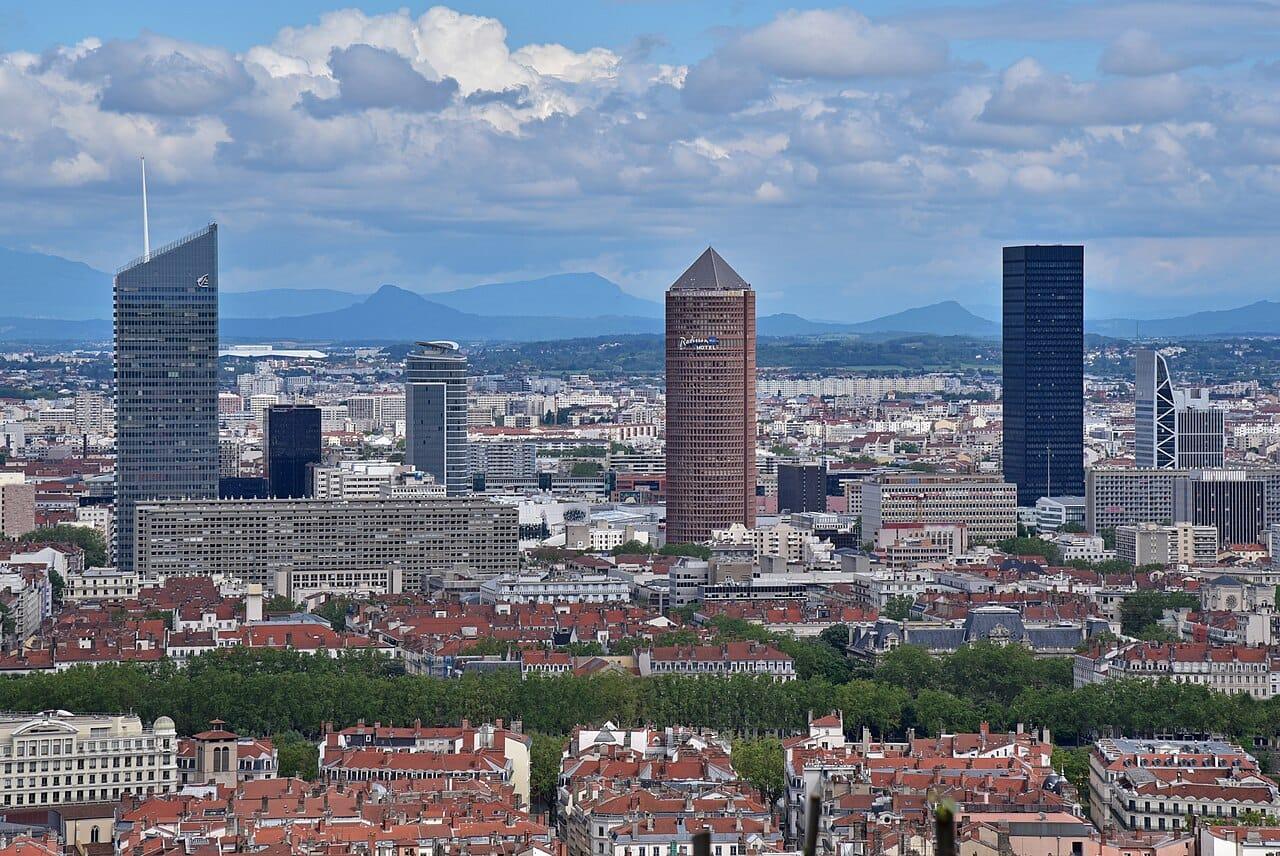
At the confluence of the Rhône and Saône, Lyon balances Renaissance streets and silk‑workers’ traboules with riverside promenades. The Roman theaters on Fourvière hill overlook bouchon eateries serving regional dishes. It’s an easy city to navigate by foot and funicular, with day trips into Beaujolais and the northern Rhône.
France’s everyday bread has a crackling crust and tender crumb, baked in countless neighborhood boulangeries. It’s torn, not sliced, eaten with butter and jam at breakfast or with cheese and charcuterie later in the day. You’ll see people carrying one under an arm on the walk home.
A Burgundian classic: chicken gently braised in red wine with lardons, mushrooms, and pearl onions, gaining depth from slow cooking. Served with potatoes or noodles, it showcases how regional wines shape sauces and how French home cooking builds comforting layers from simple ingredients and steady heat.
From Marseille, this fisherman’s stew uses several Mediterranean fish, simmered with fennel, tomato, and saffron. It’s traditionally served in two parts: broth ladled over bread with garlicky rouille, then the fish. Expect bold, briny flavors that reflect the port’s markets and a ritual of leisurely, shared eating.
In the southwest, cassoulet bakes white beans slowly with duck confit, pork, and garlicky sausage until the top forms a crust. It’s rustic, rich, and tied to towns like Castelnaudary and Toulouse, where variations spark friendly debate over ingredients and texture—proof that regional identity runs through the pot.
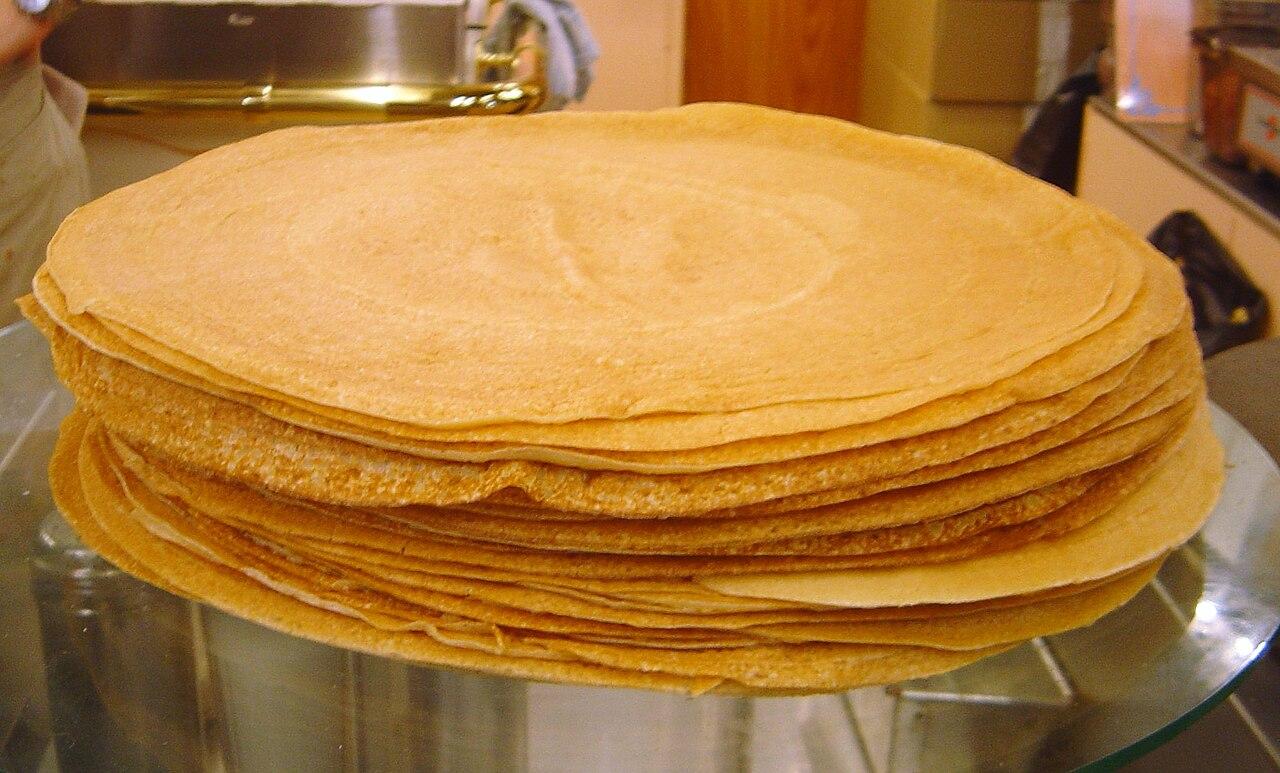
Thin pancakes from Brittany come two ways: sweet crêpes with fillings like sugar, lemon, or chocolate, and savory buckwheat galettes wrapped around ham, cheese, or egg. You’ll find them from simple street stands to sit‑down crêperies, a quick, satisfying meal that welcomes improvisation and local cider alongside.
A Provençal vegetable stew that respects the season: eggplant, zucchini, peppers, onions, and tomatoes cooked in olive oil with thyme and bay. Served warm or at room temperature, it accompanies grilled fish or lamb, or stands alone with bread, showing off Mediterranean produce without heavy sauces.
The world’s benchmark sparkling wine comes from chalky hills east of Paris. Secondary fermentation in the bottle creates fine bubbles and toasty aromas. Styles range from bone‑dry to richer blends. It’s poured for celebrations, but also works as an apéritif with salty snacks or seafood.
A short history of France
Modern France grew from Roman Gaul, whose roads, amphitheaters, and vineyards still shape many towns. After Rome, Frankish kings and the Capetian dynasty consolidated power around Paris, while medieval builders raised Gothic cathedrals like Notre-Dame and Chartres. The Hundred Years’ War left fortified towns and the legend of Joan of Arc. Renaissance courts along the Loire commissioned elegant châteaux and gardens. In 1789 the French Revolution overthrew the monarchy, recasting society around citizenship and secular ideals; Napoleon spread and codified many reforms. The nineteenth century brought industrial growth, Impressionist art, and Paris rebuilt with wide boulevards. Two world wars scarred the country; Normandy beaches, Verdun, and memorials mark the cost. After liberation, Charles de Gaulle shaped the Fifth Republic. Decolonization added new communities and influences, enriching cuisine, music, and neighborhoods. A founding role in European integration and the principle of laïcité—state secularism—still frame public life and help explain museums, monuments, and civic rituals visitors encounter.
Local etiquette
Say bonjour or bonsoir before speaking in shops or to staff; add s’il vous plaît and merci.
Use a light handshake with strangers; cheek kisses are for friends and family.
Keep voices low on public transport and in restaurants; queue and let passengers off first.
In restaurants, keep hands visible above the table; wait to be seated and don’t move tables without asking.
At markets, don’t handle produce unless invited; point and let the vendor select.
Stay safe
Pickpockets and phone thieves target crowded spots—Paris Métro/RER, mainline stations, tourist sites, and ATMs—often working in teams to distract you.
Serious assaults have occurred on RER line B (to CDG, Orly, Gare du Nord) and on RER line D (to the Stade de France); stay alert on these routes.
Drink spiking is reported in bars and clubs; buy your own drinks and keep them in sight.
Demonstrations and strikes can start with little warning in cities and around transport hubs; avoid large gatherings and follow police instructions.
Safety guidance on this page is based on official government travel advice. Always check the latest advice before you travel.
Travelling to France?
Get online the moment you land with a France eSIM — no roaming bills, no swapping SIM cards.
Service is usually included in bills. Leaving small change or rounding up for good service in cafés, restaurants, and taxis is appreciated but not required.
Tap water
Safe to drink
Best months
May–June and September–October for mild weather, long days, and harvest season; July–August suit beaches but are hotter and busier.
France Travel Guide for First-Time Visitors | CloudOn eSIM