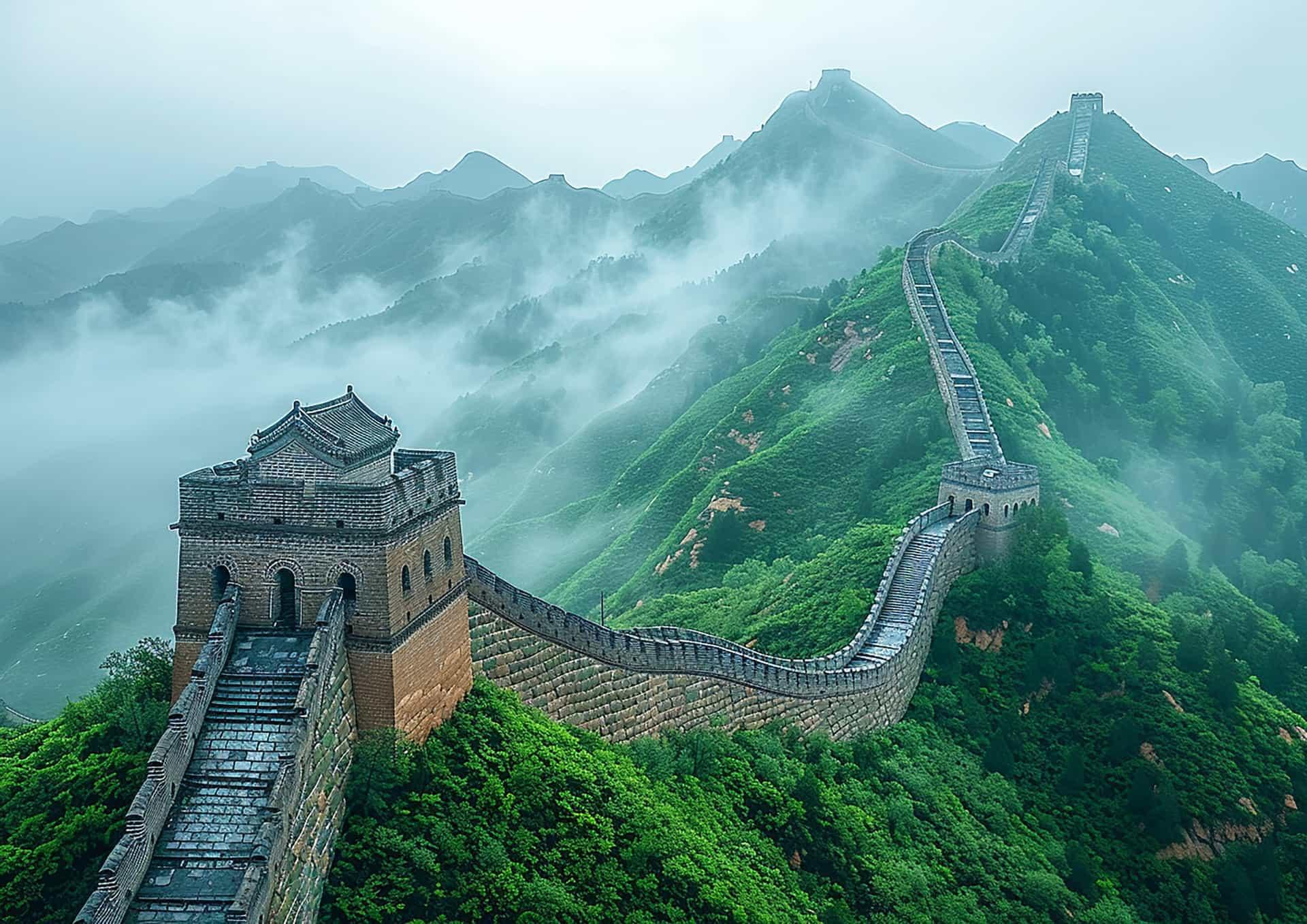
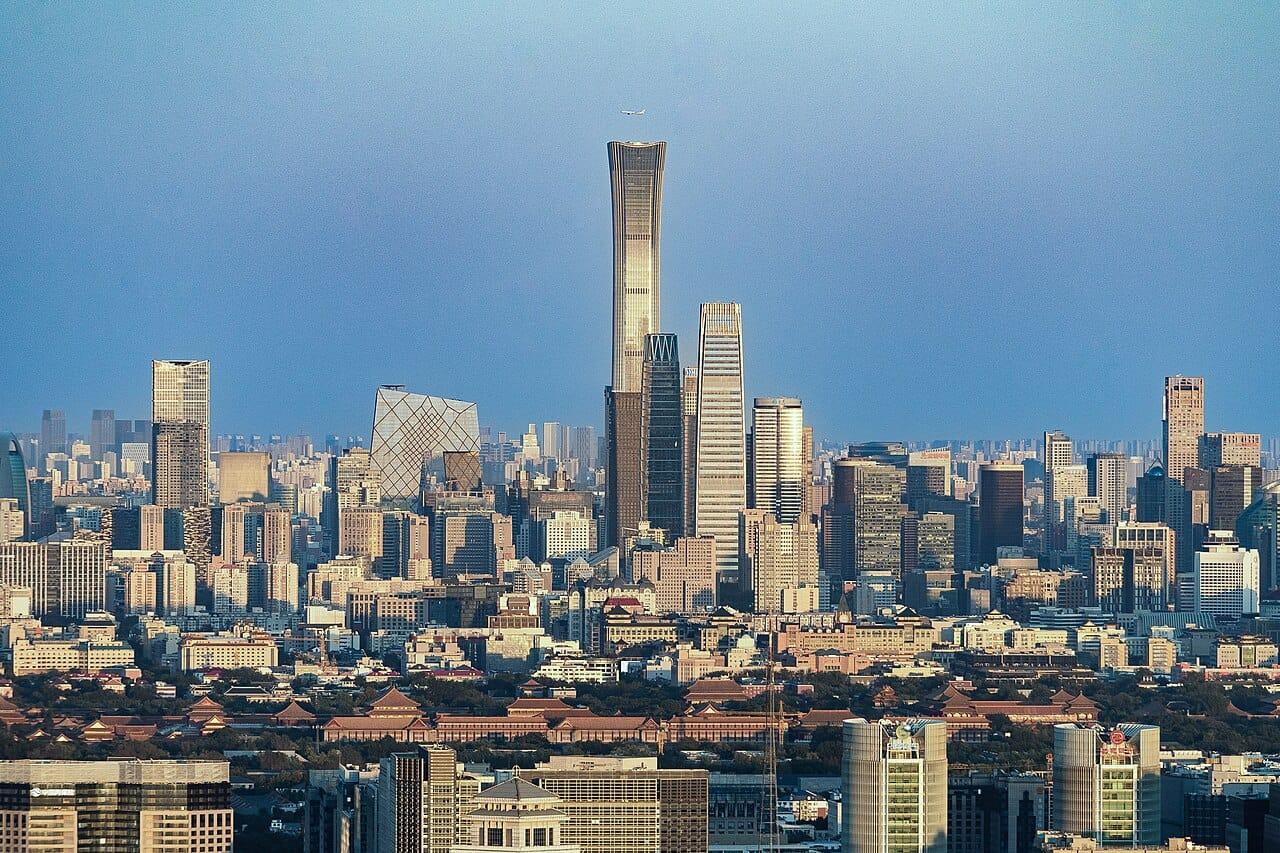
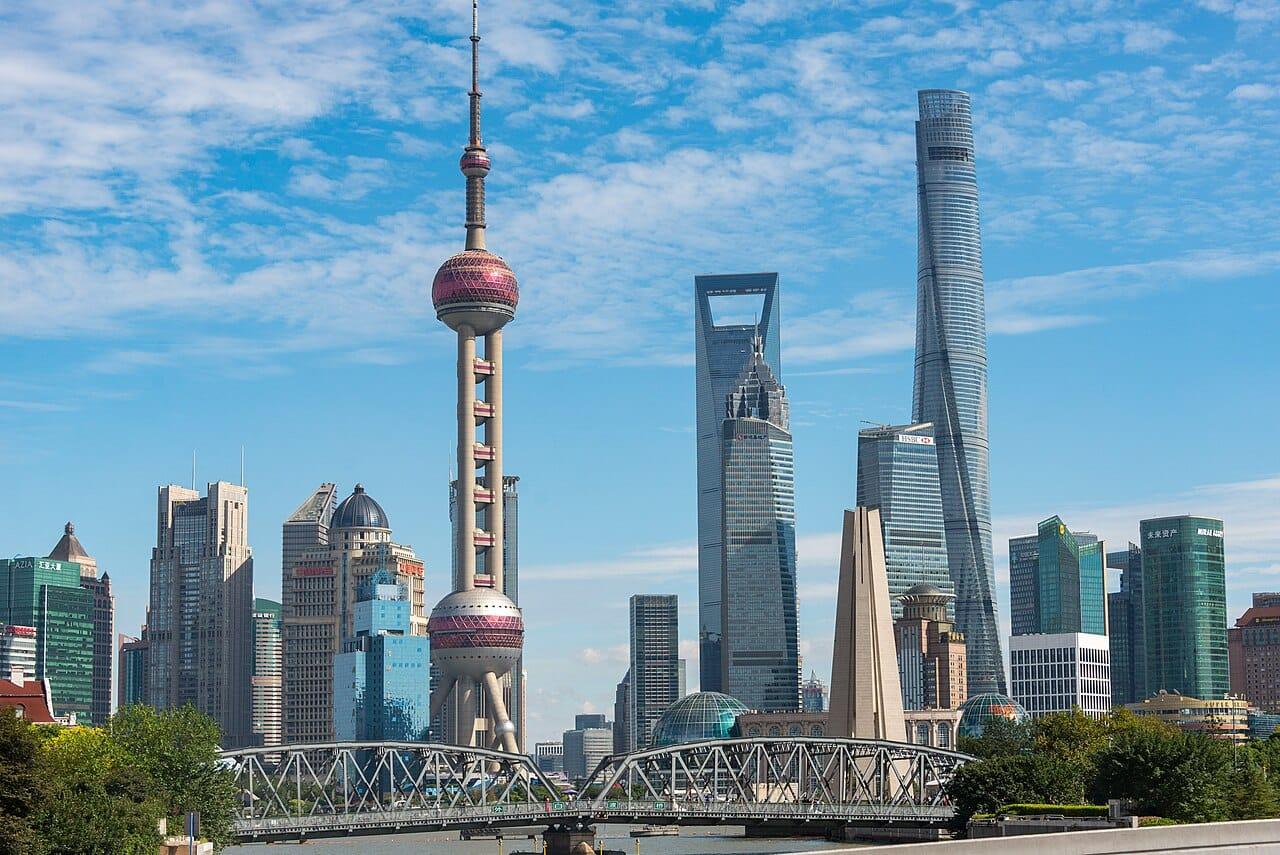
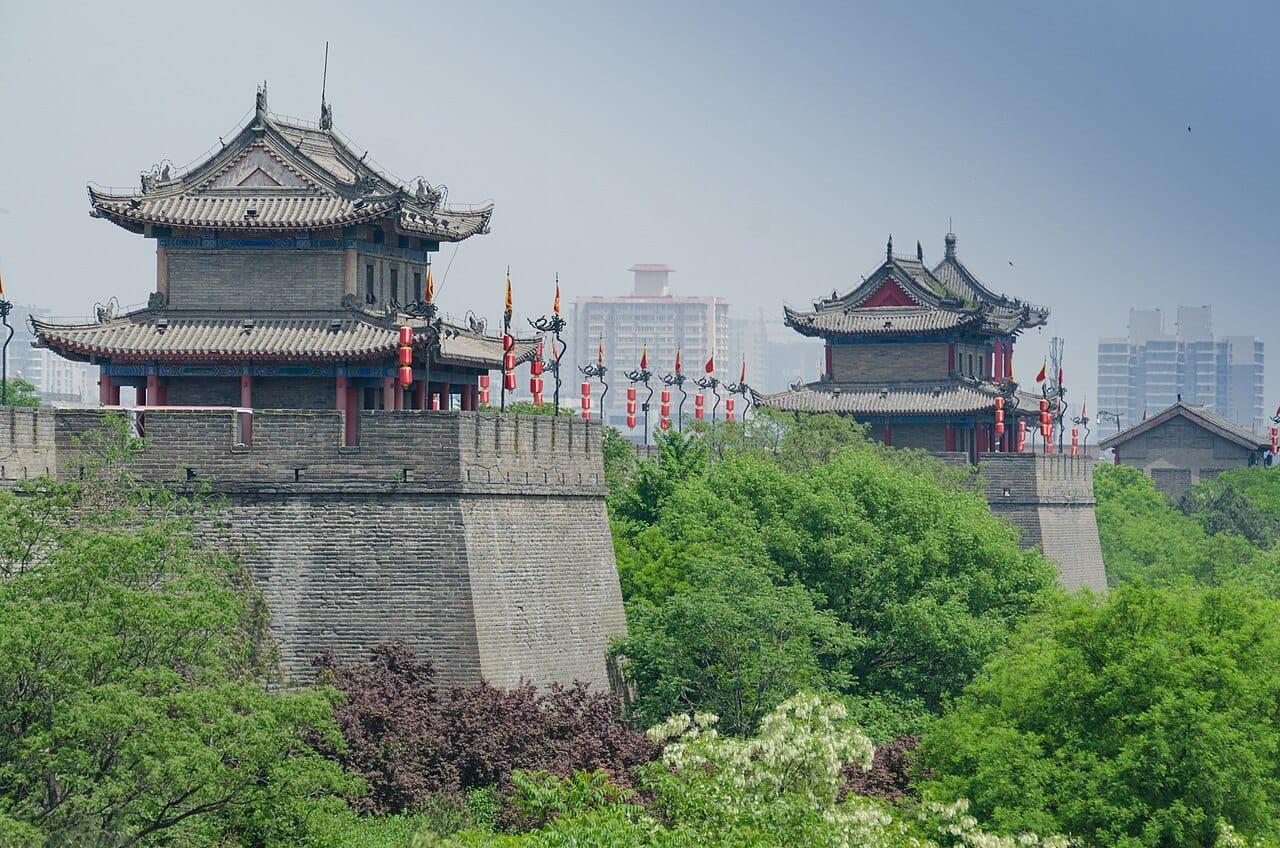
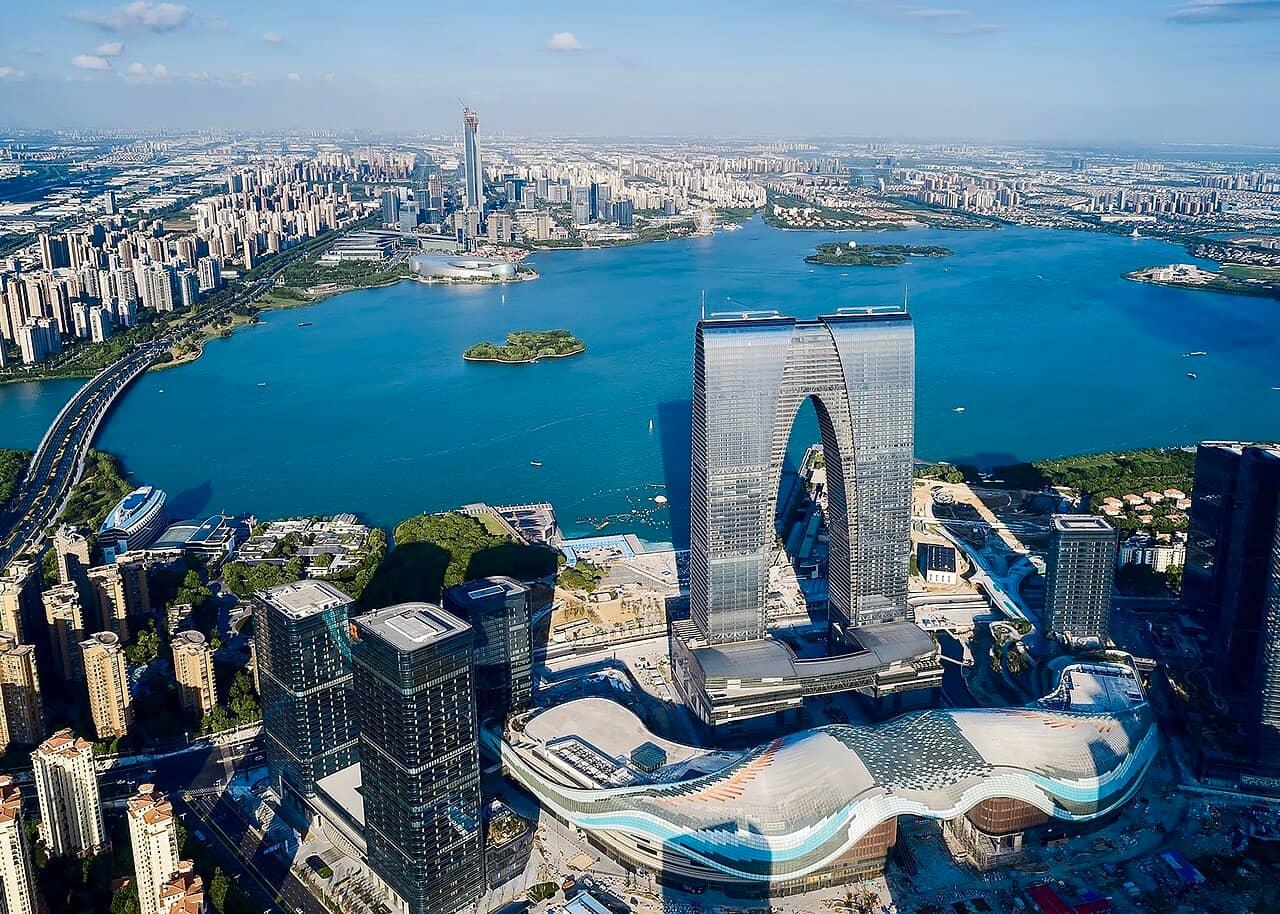
China’s story stretches across millennia. The Qin unified warring states in the 3rd century BCE, standardizing script and roads; the Han cemented imperial bureaucracy and trade along the Silk Road. Tang cosmopolitanism and Song innovation left temples, pagodas, and classical gardens that still shape cityscapes. The Mongol Yuan ruled from Beijing, followed by the Ming, who rebuilt city walls and extended fortifications associated with the Great Wall. The Qing expanded territory and courtly culture but faced internal rebellions and foreign pressures. Defeat in the Opium Wars opened treaty ports and altered coastal architecture. The Qing fell in 1911, ushering in a republic, warlordism, Japanese invasion, and civil war. The People’s Republic was founded in 1949, bringing socialist iconography, work-unit housing, and planned industrial cities. Later market-oriented reforms transformed skylines with ring roads, subway networks, and glass towers, while heritage sites were restored and curated. Confucian, Daoist, and Buddhist traditions underpin rites, temple layouts, and classical aesthetics. Twentieth-century turmoil, including the Cultural Revolution, damaged heritage yet also reshaped public memory. Today’s museums, restored old towns, and official memorials frame how the nation remembers empire, revolution, and reform.