Canada is vast, varied, and straightforward to explore. Cities like Toronto, Vancouver, and Montréal mix skyline views with parks, museums, and diverse food. Beyond them lie the Rockies, island-dotted coasts, prairie skies, and Arctic tundra. Distances are long, so focus on a few regions. Trains and domestic flights link hubs, and scenic highways reach mountains and lakes. Weather swings from hot summers to intense winters; pack layers. Wildlife is part of daily life in many areas—moose on rural roads, bears in mountain parks—so follow posted guidance. Bilingual signs and services are common, especially in Québec and federal sites. Travel feels friendly, efficient, and nature-forward, with plenty of space to breathe.
Know before you go
Currency
Canadian dollar ($ CAD)
Plug type
Type A, Type B
Voltage
120V, 60Hz
Emergency
911
Time zone
UTC-8 to UTC-3:30 (PST, MST, CST, EST, AST, NST)
Tipping
Tipping is customary: in restaurants and bars, 15–20% for good service is typical. Round up or add a modest amount for taxis and salons; leaving a small daily amount for hotel housekeeping is appreciated.
Tap water
Municipal tap water is generally safe and regulated; check local advisories, especially in rural, remote or private-well areas.
Best months
June–September for warm weather, hiking, and festivals; December–March for skiing and winter scenery.
Places to visit in Canada
Toronto
Ontario
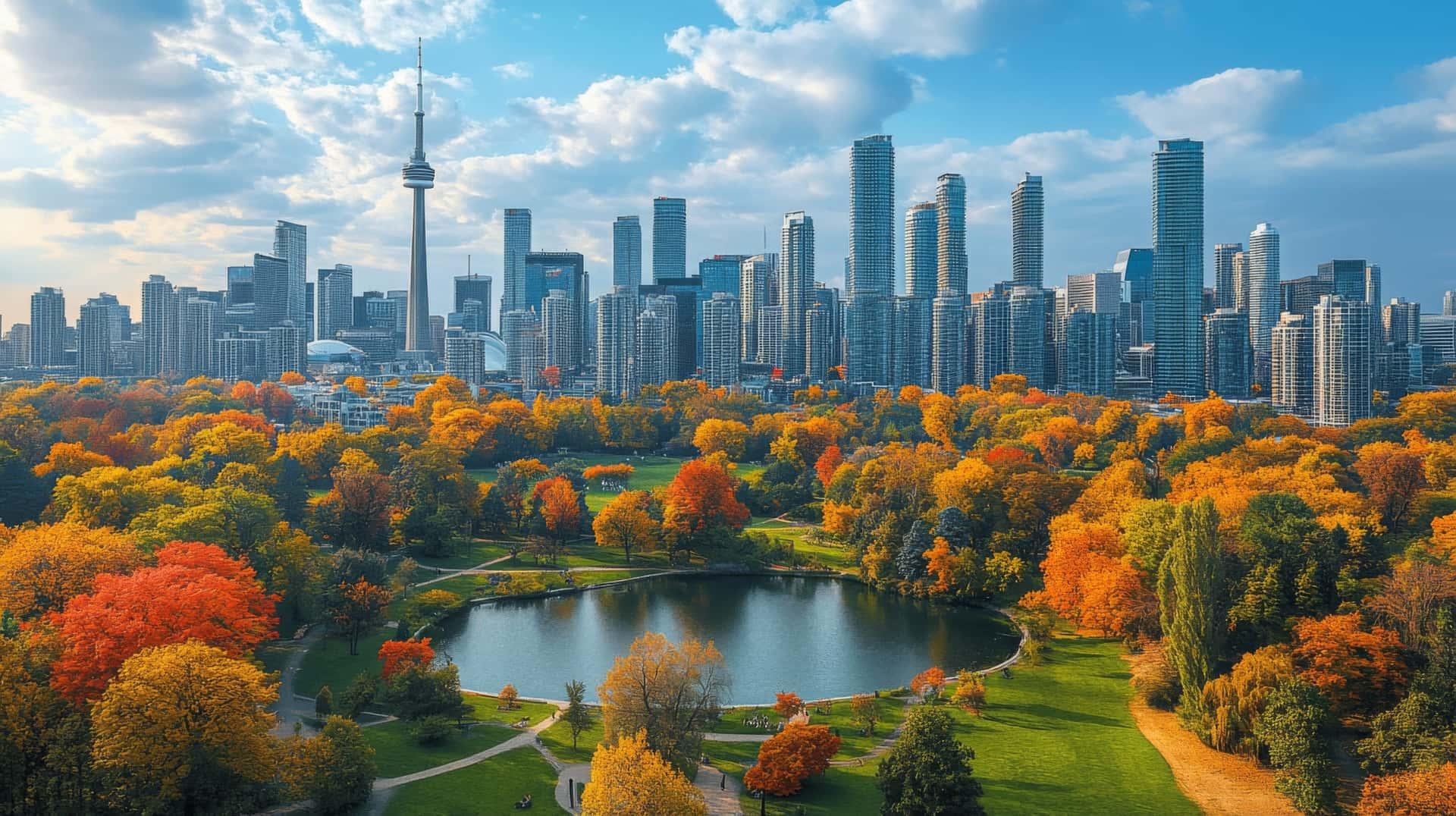
Canada’s largest city combines a waterfront skyline with lively neighborhoods like Kensington Market and the Distillery District. Visit major museums, catch a game or performance, and ride ferries to the Toronto Islands for green space and views. Multicultural dining and arts define the rhythm of daily life.
Between mountains and sea, Vancouver offers urban parks, beaches, and mountain views. Cycle the Stanley Park Seawall, browse Granville Island’s public market, and explore Gastown and Chinatown. Nearby North Shore trails and slopes make hiking and skiing easy day trips from the city’s compact downtown.
A blend of French and English cultures, Montréal pairs Old Port cobblestones with a vibrant dining and music scene. Climb Mount Royal for city views, visit markets like Jean-Talon, and admire the Notre-Dame Basilica. Festivals, cafés, and neighborhood bagel shops give the city its distinctive energy.
One of North America’s oldest settlements, Québec City centers on a fortified old town with steep lanes and stone walls. The Château Frontenac crowns the skyline, while the Plains of Abraham and the St. Lawrence River frame walks, viewpoints, and winter scenes that feel distinctly European in character.
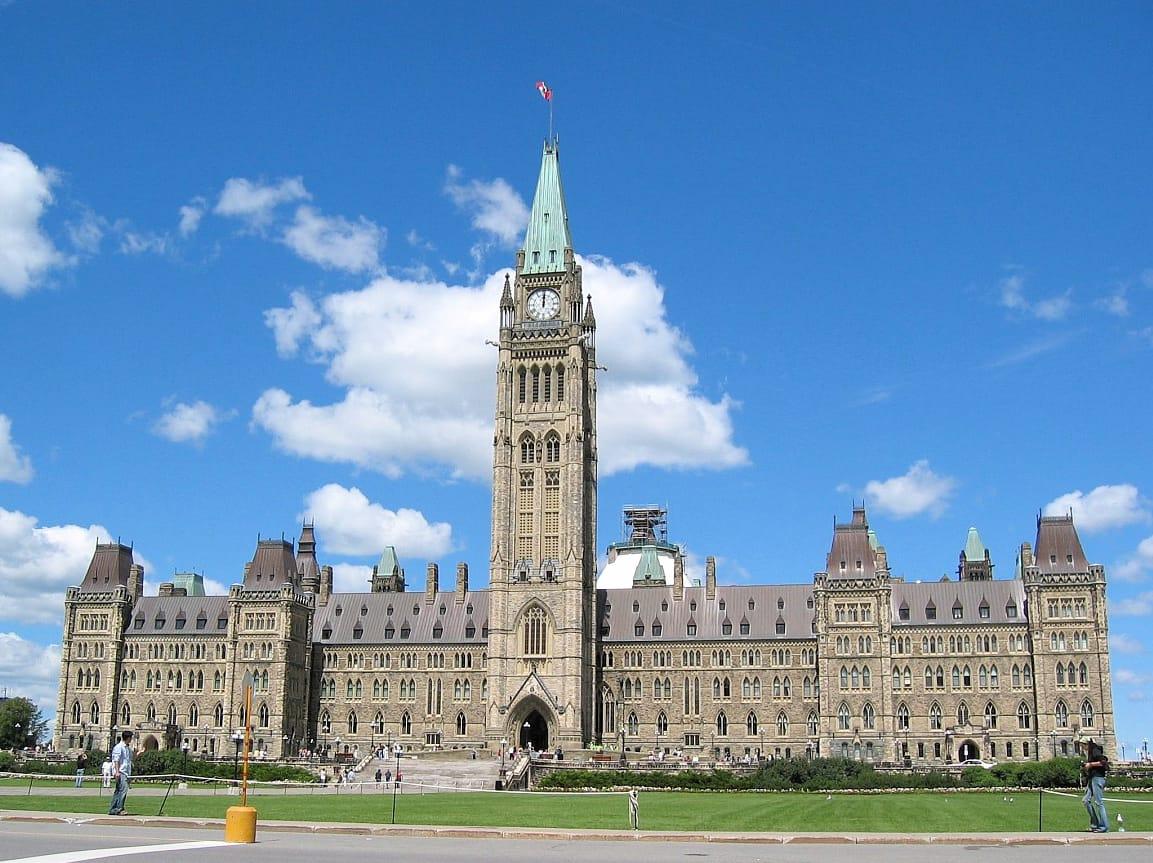
Canada’s capital showcases Parliament Hill and a concentration of national museums along the Ottawa River. The Rideau Canal threads through the city, used for boating in summer and skating in winter. Nearby neighborhoods like the ByWard Market offer eateries, galleries, and easy access to riverfront paths.
In the Canadian Rockies, Banff’s turquoise lakes and rugged peaks draw hikers, photographers, and wildlife watchers. Lake Louise and Moraine Lake are iconic, and the Icefields Parkway links dramatic valleys and glaciers. The town of Banff provides trailheads, galleries, and hot springs surrounded by alpine scenery.
The Horseshoe Falls thunder over a dramatic gorge on the border with the United States. Boardwalks and viewpoints deliver mist and roar from multiple angles, and the Niagara Parkway offers scenic drives. Nearby trails, parks, and the river’s rapids round out a short but memorable visit.
Fries topped with fresh cheese curds and hot gravy, poutine began in Québec and spread nationwide. The curds should squeak, the fries stay crisp under rich sauce, and variations add smoked meat, mushrooms, or pulled pork. You’ll find versions in diners, pubs, and food trucks.
A Canadian icon tapped from sugar maples, then boiled to a range of grades and flavors. It sweetens pancakes and waffles, glazes salmon and bacon, and becomes maple taffy poured on snow at sugar shacks in spring. Look for candies, butters, and vinegars, too.
A spiced meat pie from Québec, traditionally made with minced pork or mixed meats in a flaky crust. It appears at holiday tables but is served year-round. Warm spices and a sturdy pastry make it hearty, often paired with pickles or chutney to cut the richness.
Beef brisket cured with spices, smoked, and steamed, then sliced thick and piled on rye with yellow mustard. It’s kin to pastrami but with a distinct spice profile. Counters stack high, and the sandwich is often served with a pickle and slaw on the side.
Smaller, denser, and chewier than New York versions, these are hand-rolled, boiled in lightly sweetened water, and baked in wood-fired ovens. Typically topped with sesame or poppy seeds, they’re slightly sweet with a glossy crust—best eaten warm, plain or with a smear of cream cheese.
A quintessential Canadian dessert: crisp pastry shell filled with a gooey mixture of butter, sugar, and eggs. Some bakers add raisins or pecans; others insist on plain. The filling ranges from runny to firm, but the appeal is the contrast of flaky crust and caramel-like center.
A no-bake treat named for the city of Nanaimo in British Columbia. It layers a chocolate-coconut-graham crumb base, a custard-flavored buttercream middle, and a glossy chocolate top. Sweet, rich, and sliceable, it appears in bakeries and home kitchens across the country.
Indigenous peoples have lived across the land for thousands of years, shaping territories, trade networks, and sophisticated cultures from the Pacific Coast to the Arctic and Atlantic. Norse visitors reached Newfoundland around a millennium ago, but sustained European colonization began with French settlements along the St. Lawrence, followed by British expansion. After the British conquest of New France, English- and French-speaking communities grew alongside immigrants and Loyalists from the American Revolution. Canada became a self-governing dominion in the 19th century, binding provinces by rail and expanding west and north. This growth came at great cost to Indigenous nations, including treaty breaches and the residential school system. The country recognizes two official languages and a multicultural identity, while debates over Québec’s distinct society and Indigenous self-determination shape politics. The Charter of Rights and Freedoms, resource industries, and urban innovation influence what visitors see: bilingual signage, provincial diversity, and a blend of European, Indigenous, and global traditions in daily life.
Local etiquette
Queue patiently; cutting in line is frowned upon.
Politeness matters—use please, thank you, and sorry in everyday exchanges.
Respect Indigenous sites and signage; stay on marked trails and do not disturb artifacts.
Remove shoes when entering homes unless told otherwise.
In Québec, greeting with bonjour is appreciated; don’t assume everyone prefers English.
Stay safe
Pickpocketing and bag theft in crowded areas; keep valuables secure and don’t leave bags unattended.
Smash-and-grab thefts from parked cars in cities and tourist spots; avoid leaving any items in view or in the trunk.
Online and phone scams asking for money, including romance scams and claims of detention or hospitalization; treat unsolicited requests with caution.
Impersonation scams using authority or family ties (people posing as U.S. military or a relative in trouble) to pressure quick payment.
Safety guidance on this page is based on official government travel advice. Always check the latest advice before you travel.
Travelling to Canada?
Get online the moment you land with a Canada eSIM — no roaming bills, no swapping SIM cards.