
Introduction: Staying Connected in the Land of the Rising Sun
In 2026, Japan is more connected than ever, but for a tourist, the "how" matters just as much as the "where." Whether you’re navigating the complex subways of Shinjuku or posting a reel of the Kyoto bamboo forest, reliable data is your most important travel tool.
The age-old debate of Japan eSIM vs Local SIM card has a clear winner for most, but the right choice depends on your device, budget, and where your itinerary takes you.
What Is a Japan Tourist SIM? (The Traditional Choice)
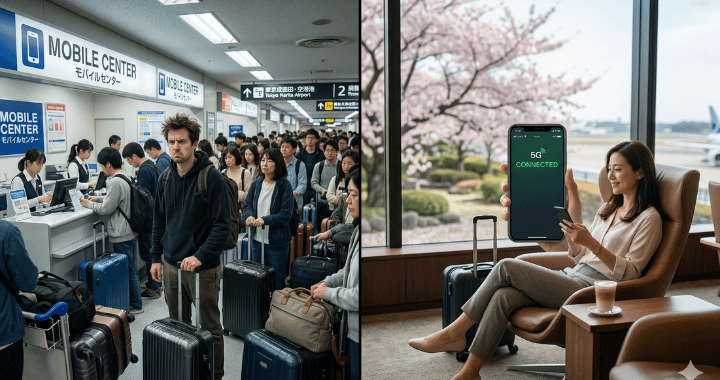
Available at major hubs like Narita (NRT), Haneda (HND), and Kansai (KIX) airports, physical SIMs are the "old school" way to get online. You can also find them at massive electronics retailers like Bic Camera or Yodobashi Camera.
These are typically data-only prepaid cards running on the "Big Three" networks: NTT Docomo, SoftBank, or au.
5GB / 7 days: ¥2,800–¥3,800 (~$18–$25)
10GB / 15 days: ¥4,500–¥6,000 (~$30–$40)
20GB / 30 days: ¥6,000–¥8,500 (~$40–$57)
⚠️ The "Hidden" Cost: Beyond the price, you pay in time. Expect to wait 20–40 minutes in line during peak seasons (Cherry Blossom or Autumn Foliage), and you’ll need a SIM tool or a paperclip to swap the chips.
What Is a Japan eSIM? (The 2026 Standard)
An eSIM (embedded SIM) is a digital version of the physical chip already built into your smartphone. You don’t need to "swap" anything. You simply purchase a plan online, scan a QR code sent to your email, and activate it.
With providers like CloudOn, you can secure your connection weeks before you even pack your bags. Plans start as low as $3.99, making it the most budget-friendly entry point for short-term travelers.
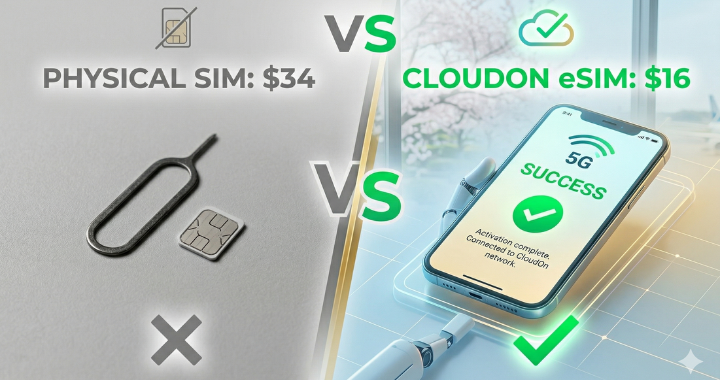
💰 The Bottom Line for a 10-Day Trip:
The eSIM Way ($16): Digital, instant, and half the price. You keep your home number active for bank OTPs and WhatsApp.
The Physical Way ($34): Expensive, manual, and time-consuming. You must remove your home SIM, risking loss or damage.
Network Coverage: Docomo vs. SoftBank vs. au
When choosing between a Japan eSIM and a local SIM, you are essentially choosing a network provider. In 2026, the landscape looks like this:
NTT Docomo: The "gold standard." It has the best coverage in rural areas, mountains, and northern Hokkaido. If you are hiking or visiting remote onsens, prioritize Docomo-backed plans.
SoftBank: Exceptional speeds in major cities like Tokyo and Osaka. Perfect for urban explorers.
au (KDDI): A great middle-ground with reliable 5G infrastructure across the "Golden Route" (Tokyo-Hakone-Kyoto-Osaka).
Pro Tip: Most premium eSIMs now offer multi-network switching, meaning your phone will automatically hop to the strongest signal available.
Why "Dual-SIM" Is a Game Changer
One of the biggest mistakes tourists make with a physical local SIM is taking their home SIM out.
The Risk: Those tiny chips are incredibly easy to lose in a hotel room or airplane seat.
The Problem: Without your home SIM, you cannot receive SMS Authentication (2FA) codes from your bank or work email.
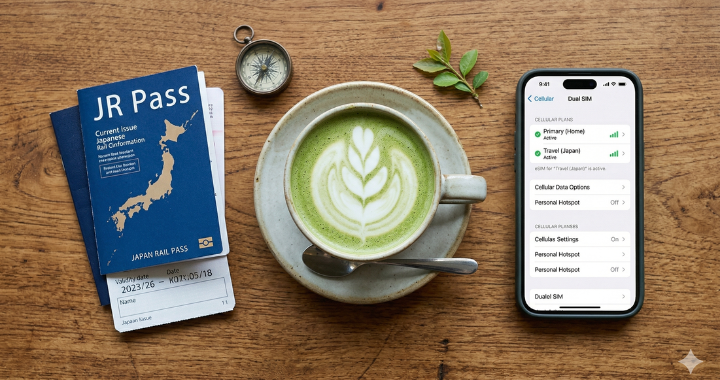
The Solution: An eSIM allows you to keep your home line active for emergency texts while using the Japan eSIM for all your "heavy lifting" (Google Maps, Instagram, Translate).
Who Each Option Suits
✅ Choose a Local Physical SIM if:
You have an older device (iPhone 8 or older, older Androids) that doesn't support eSIM.
You specifically need a Japanese phone number (+81) for local calls (rare for most tourists, as most SIMs are data-only anyway).
You are already in Japan and your phone just broke/needs a quick fix.
✅ Choose a Japan eSIM if:
You have a modern phone (iPhone XR/11/12/13/14/15/16, Samsung S20+, Pixel 4+).
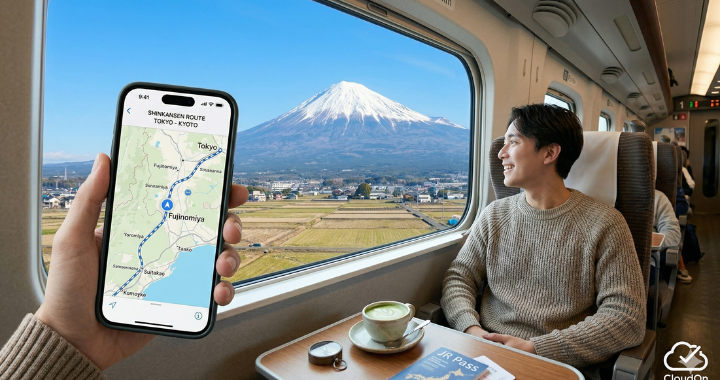
You want to land and have internet instantly to call a Grab or check the train schedule.
You are on a budget and want to avoid "Airport Markup" prices.
You are visiting other Asian countries (many eSIMs offer regional "Asia" plans).
The Verdict: eSIM Wins for 2026
For 90% of travelers, the Japan eSIM is the superior choice. It eliminates the stress of the airport "admin hour," protects your home SIM card, and costs significantly less.
While the physical SIM card was a rite of passage for travelers a decade ago, it has now become an unnecessary hurdle in a country that prides itself on seamless technology.
Ready to Explore Japan?
Don't waste your first hour in Japan standing in a line. Get your connectivity sorted before you even leave for the airport.
Download the App: CloudOn on Google Play
Browse Plans: CloudOn Official Website
Ready to get an eSIM?
Browse plans for 190+ countries. Purchase in minutes, install in seconds.