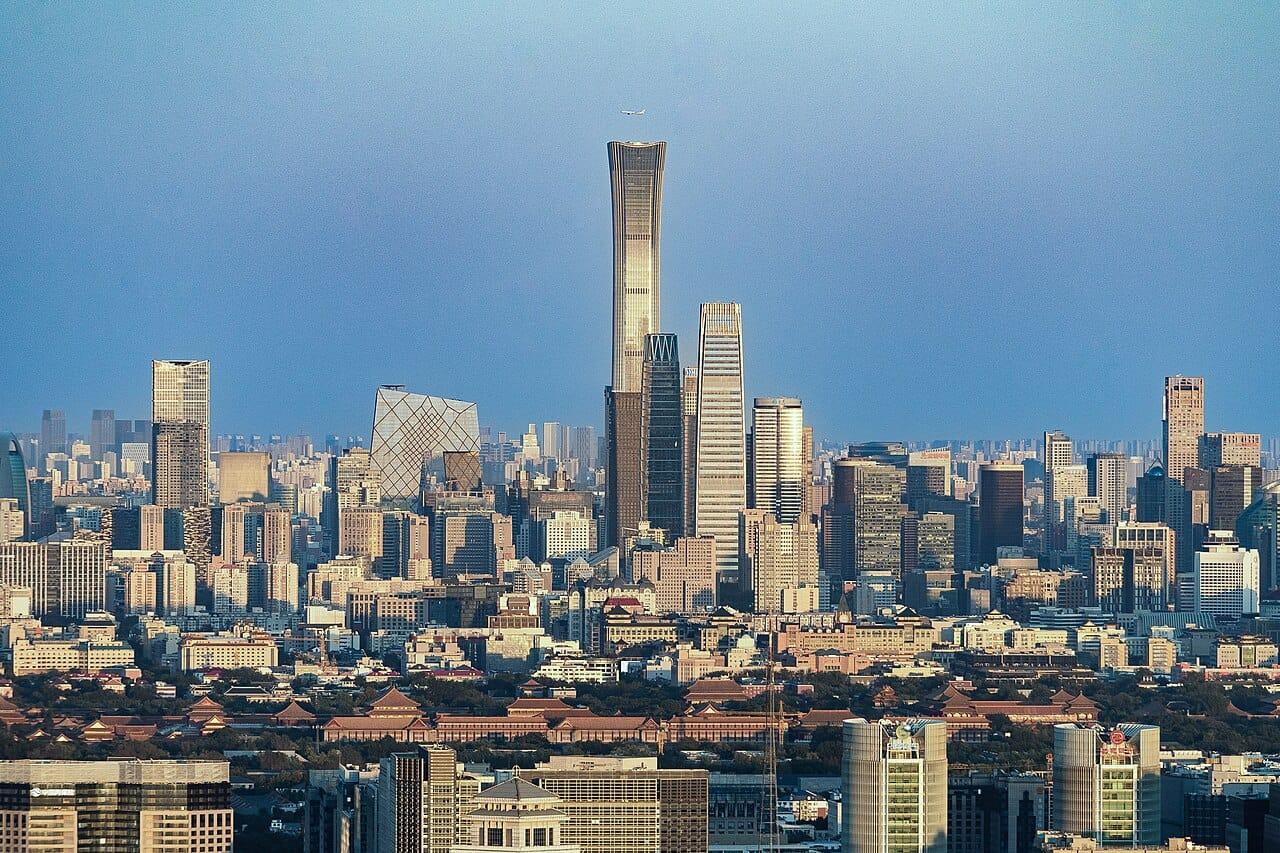
Beijing
Beijing

This travel guide is currently available in English only.
China is vast and varied, with high-speed trains linking megacities, ancient alleyways, and quiet countrysides. Travel often means big distances but smooth logistics once you learn the rhythm: ticket machines, security checks, and orderly queues. Cities feel modern, dense, and neon-lit; rural areas give you karst peaks, rice terraces, and slow rivers. Menus shift dramatically from province to province, and meals are social, shared, and lively. English appears on transport signs in major hubs, but conversations usually happen in Mandarin or local dialects, so a few phrases and a map go a long way. Expect crowds at famous sights, early starts, and dramatic contrasts between imperial landmarks and contemporary skylines. Weather swings by region and season, so pack for change.
Beijing
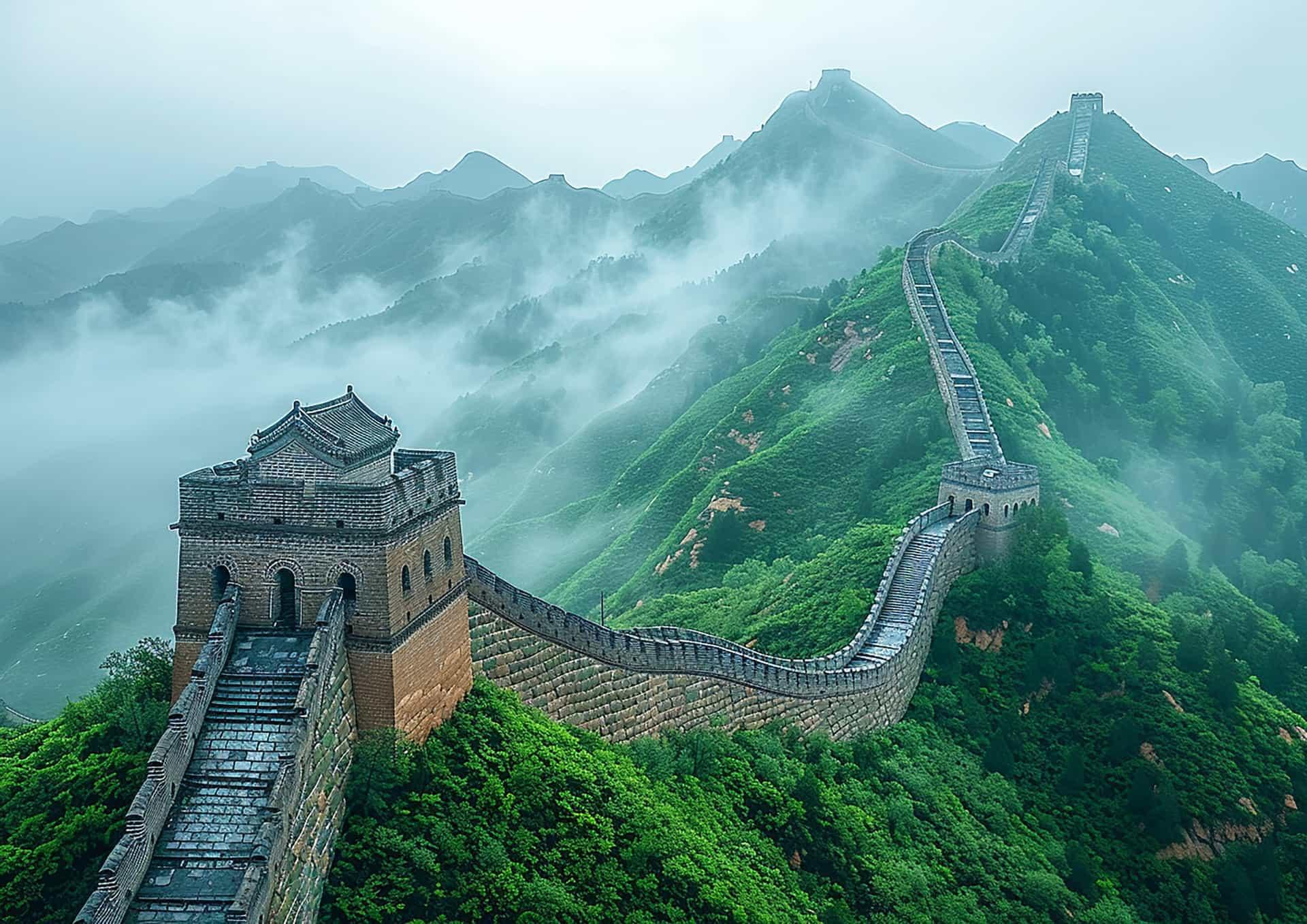
China’s capital layers imperial grandeur and modern power. Walk the Forbidden City, Tiananmen Square, and the Temple of Heaven, then thread hutong alleys to courtyard homes. Day trips reach the Great Wall. Broad avenues, museums, and parks help you pivot between dynastic architecture and contemporary culture.
N509FZ · CC BY 4.0
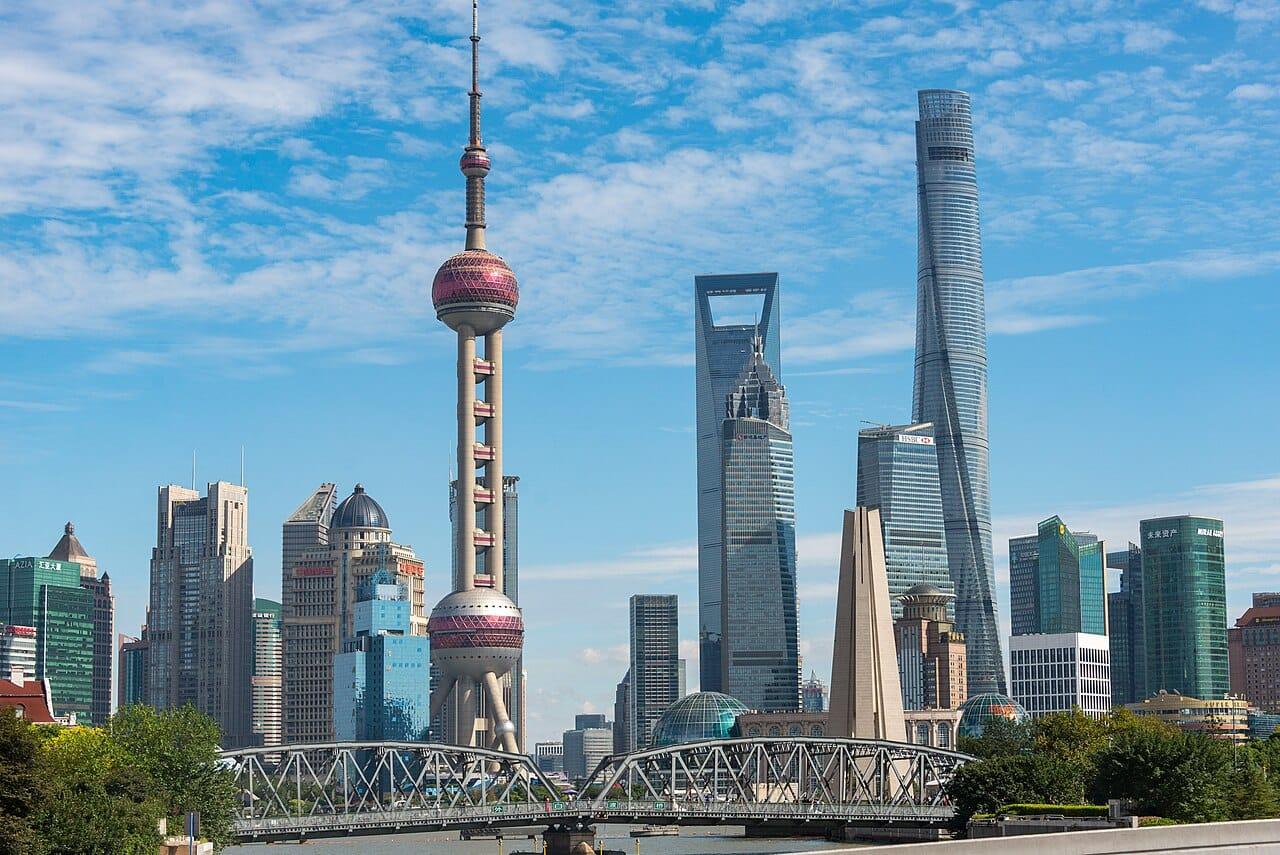
Shanghai
Shanghai showcases 20th-century concessions and 21st-century spectacle. Stroll the Bund’s historic facades facing Pudong’s skyline, explore Yu Garden and Old Town lanes, then wander the plane-tree shade of the former French Concession. Galleries, design spaces, and riverfront walks show how commerce and culture shaped this port city.
xiquinhosilva · CC BY 2.0
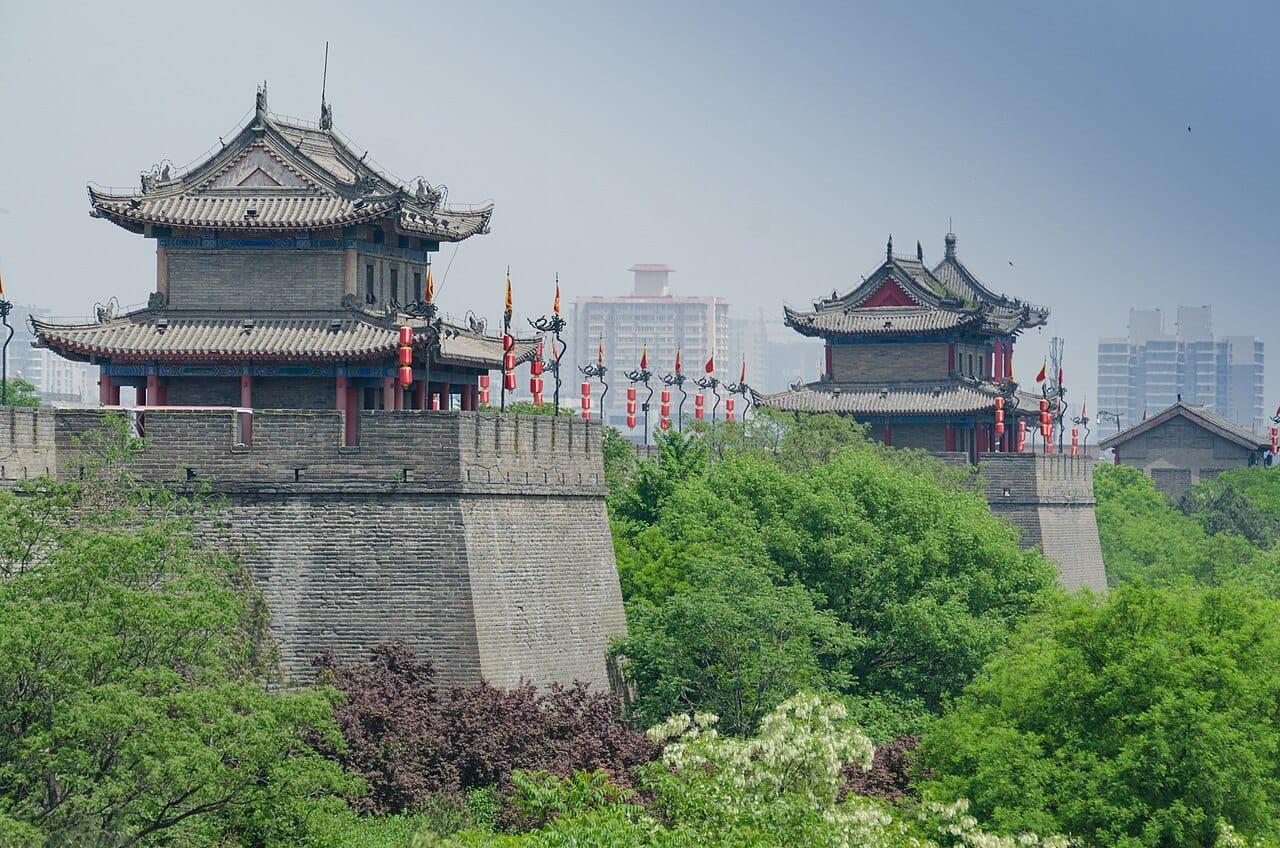
Shaanxi
Xi’an anchors the Silk Road’s eastern end. The Terracotta Army lies outside the city, while intact walls encircle lively streets. Bike the ramparts, visit the Big Wild Goose Pagoda, and sample snacks in the Muslim Quarter, where mosque courtyards and markets reflect centuries of overland trade.
xiquinhosilva · CC BY 2.0
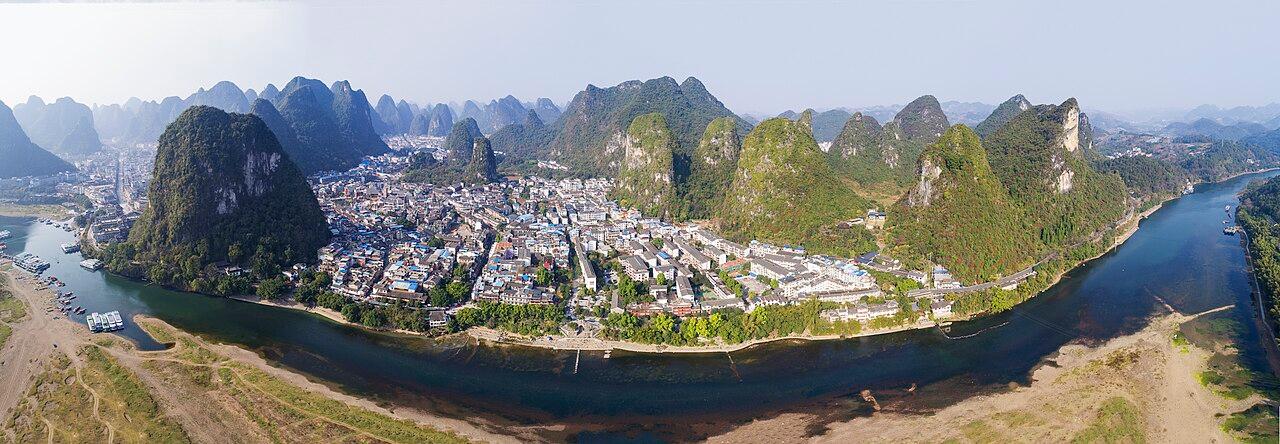
Guangxi
Guilin and nearby Yangshuo are defined by limestone karst. Cruise the Li River past peaks printed on banknotes, then cycle village backroads or drift on a bamboo raft. Lookouts, caves, and evening riversides pair with simple countryside meals and slow travel between rice fields and river bends.
Chensiyuan · CC BY-SA 4.0
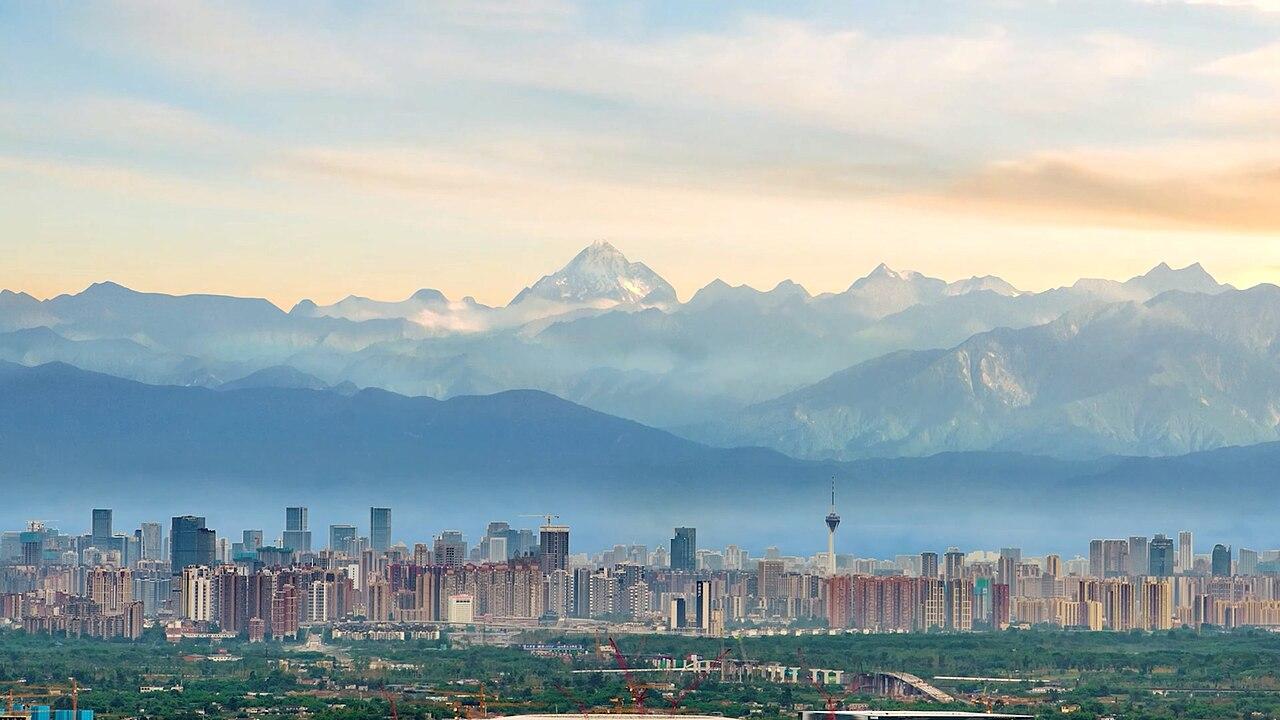
Sichuan
Chengdu moves at a mellow pace. See giant pandas at the city’s research base, linger in teahouses, and explore temples and leafy parks. The food is a draw: numbing-spicy Sichuan dishes, street snacks, and hot pot. It’s also a launch point for mountains and Buddhist sites.
FISU · CC BY 3.0
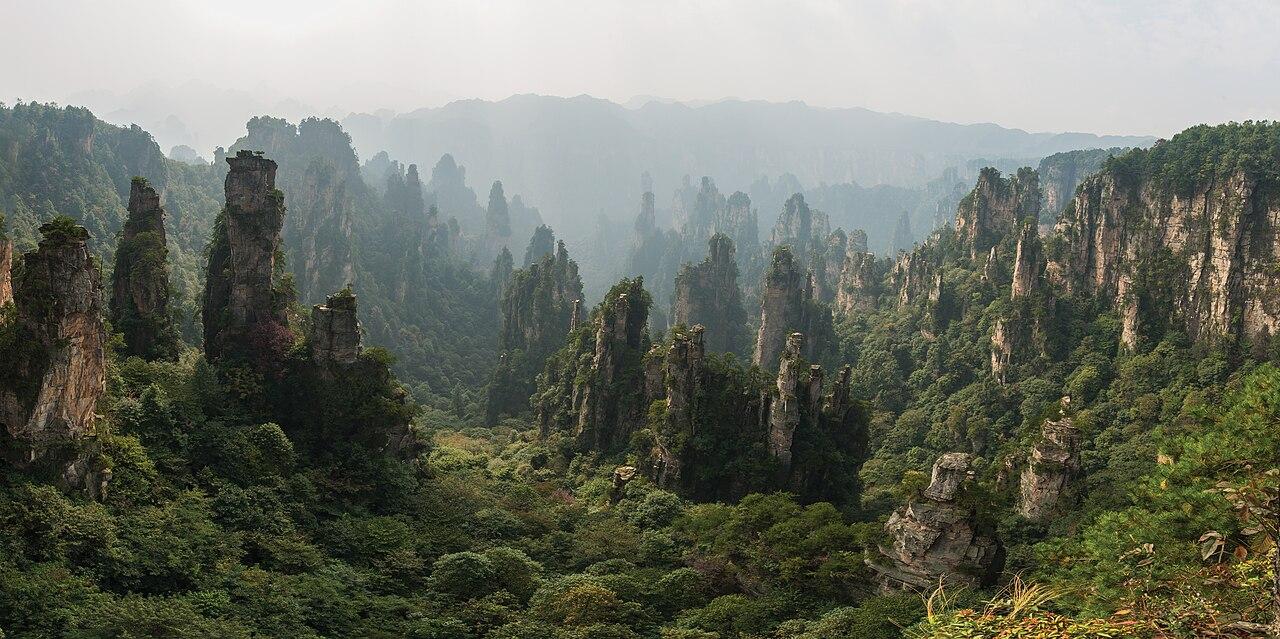
Hunan
Zhangjiajie National Forest Park is a maze of sandstone pillars, mist, and vertiginous trails. Elevators and cableways help reach viewpoints; glass walkways and a canyon bridge add drama. Expect steep climbs, changing weather, and landscapes that inspired movie backdrops.
chensiyuan · CC BY-SA 4.0
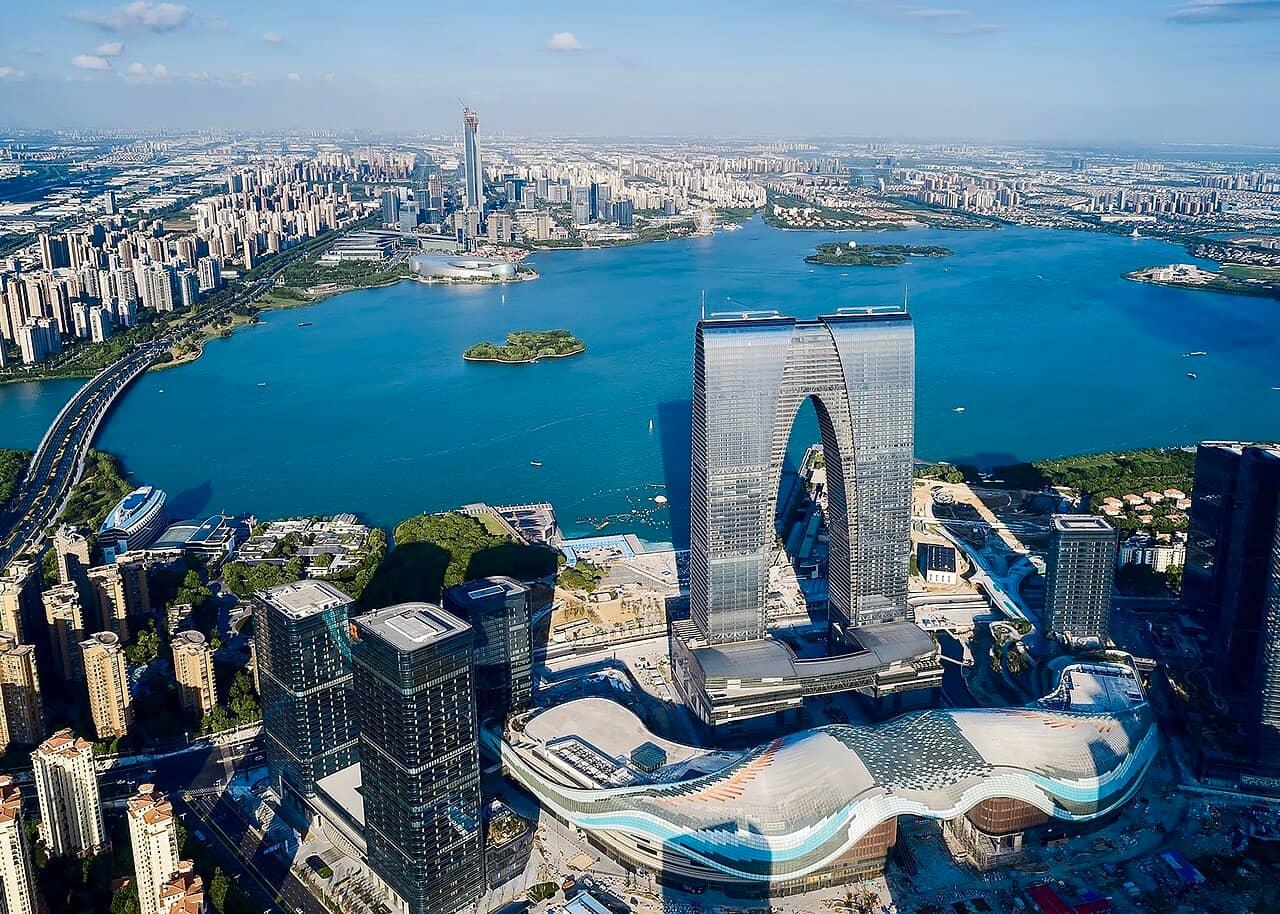
Jiangsu
Suzhou’s classical gardens make art from rock, water, and pines. Wander the Humble Administrator’s Garden and Lingering Garden, then follow canals and whitewashed lanes. Silk workshops and museums explain craft traditions, while low bridges and narrow streets keep the scale intimate and walkable.
铁头娃蛤蛤 · CC BY-SA 4.0
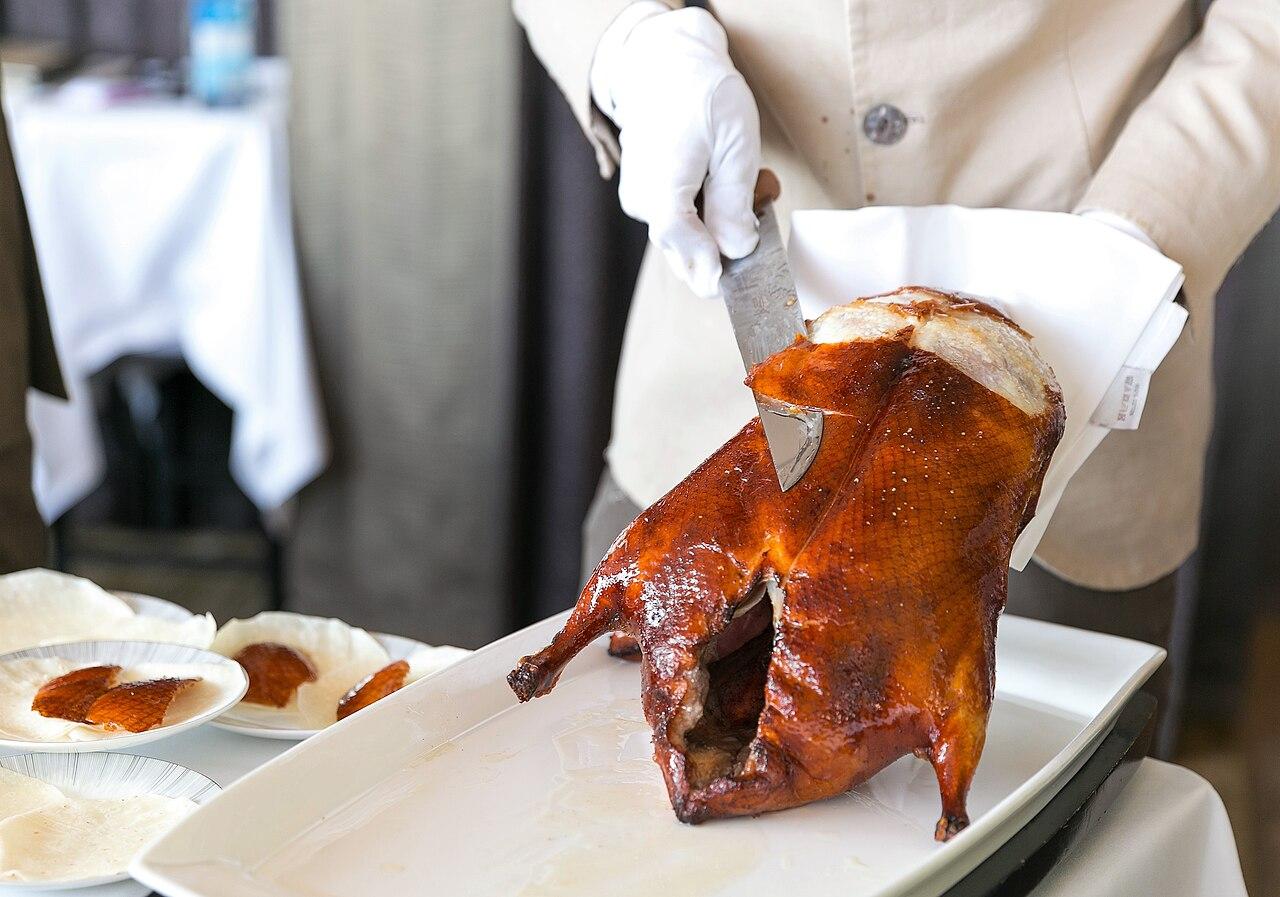
Beijing’s roast duck is lacquered until the skin crackles, then carved into thin slices for wrapping with pancakes, scallions, cucumber, and sweet bean sauce. The contrast of crisp skin, tender meat, and aromatics makes a shared meal often served across multiple courses.
City Foodsters · CC BY 2.0
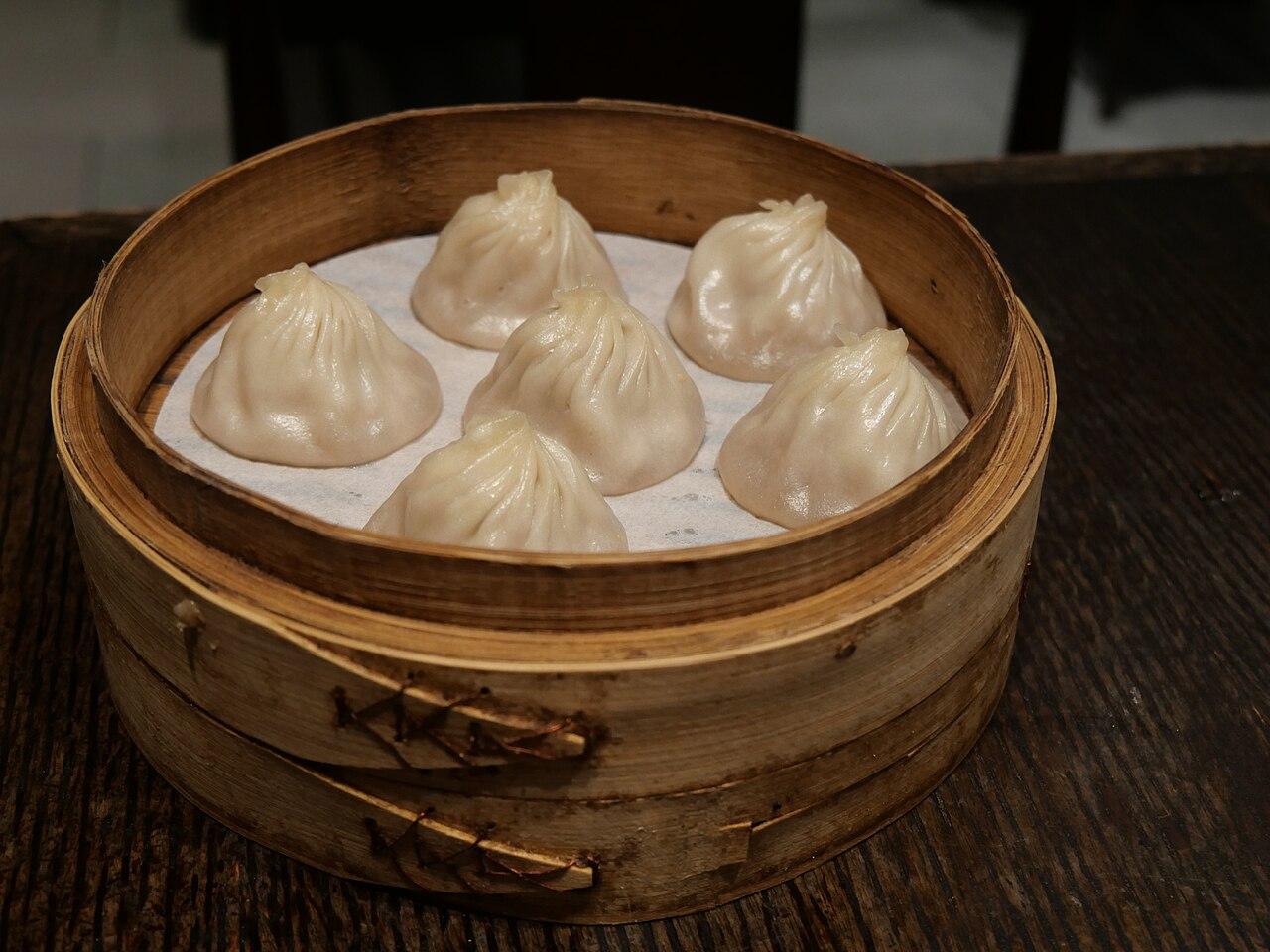
These delicate soup dumplings, associated with Shanghai, are steamed in bamboo baskets. Thin dough encases seasoned pork and rich broth that bursts with a careful bite. Dip in black vinegar with ginger and enjoy the balance of heat, aroma, and texture.
Peachyeung316 · CC BY-SA 4.0
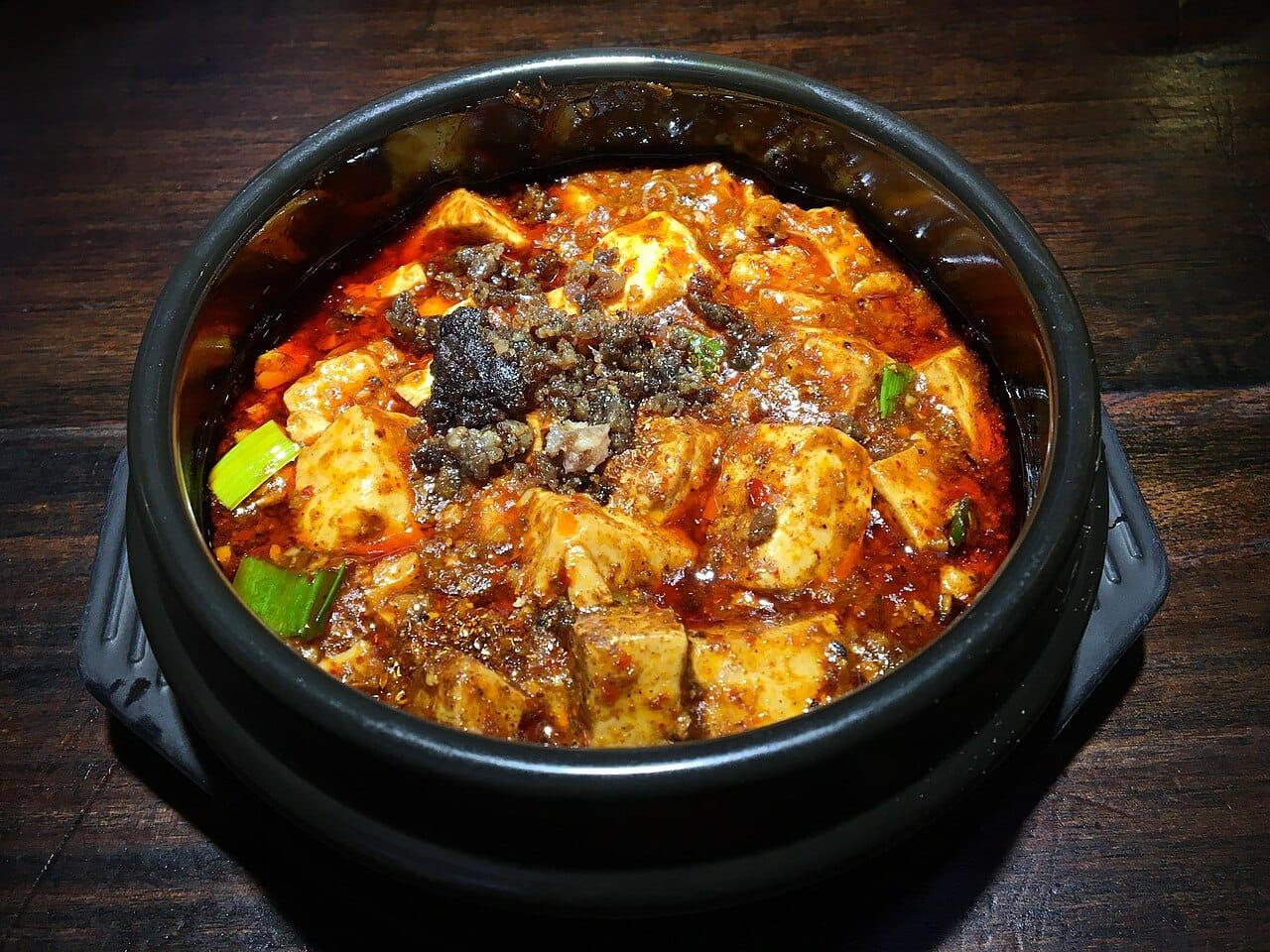
A Sichuan classic of soft tofu and minced beef or pork in a chili-bean sauce, lifted by fermented black beans and tingling Sichuan peppercorn. The hallmark is ma-la—numbing and spicy—balanced by savory depth and a sheen of chili oil over rice.
ZhengZhou · CC BY-SA 4.0
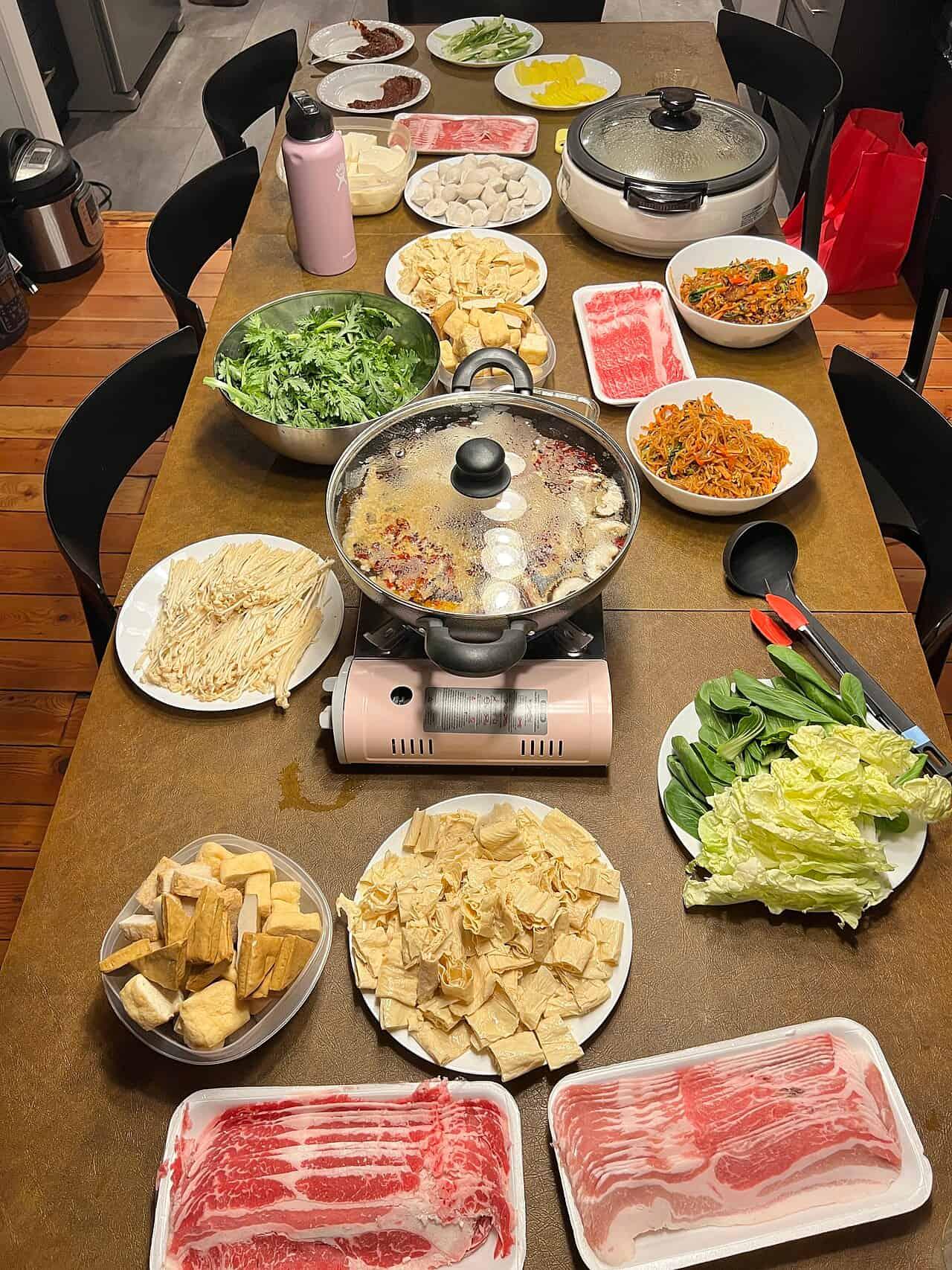
A communal pot of bubbling broth—often split into fiery and mild—where diners cook thinly sliced meats, vegetables, tofu, and noodles. Custom dipping sauces and piles of aromatics encourage long, lively meals that are as much about company as flavor.
Praneeth Thalla · CC BY-SA 4.0
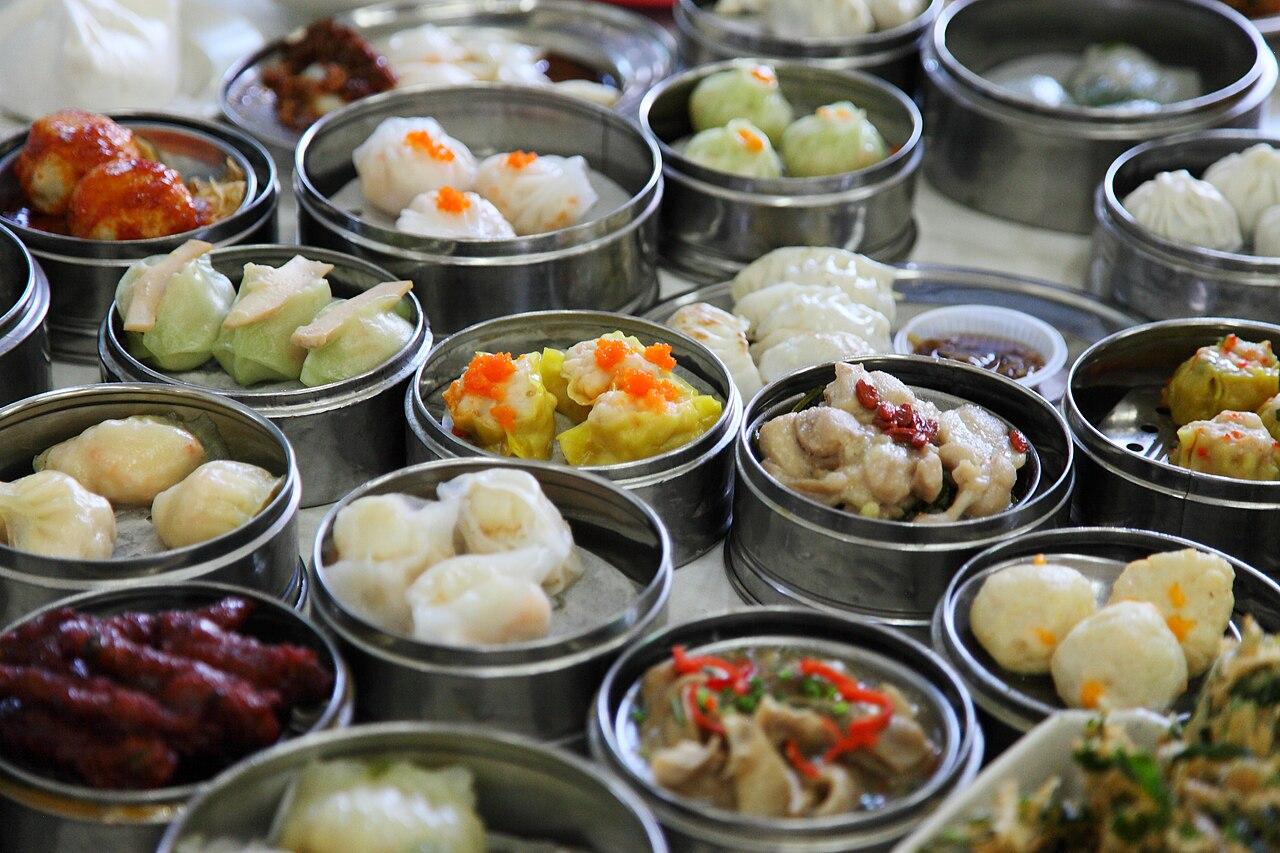
From steamed har gow and siu mai to baked buns and rice rolls, Cantonese dim sum is a tea-time feast of small plates. Baskets and trays arrive in waves, inviting variety and conversation, with emphasis on delicate textures and precise steaming.
LeonardKong · CC BY 2.0
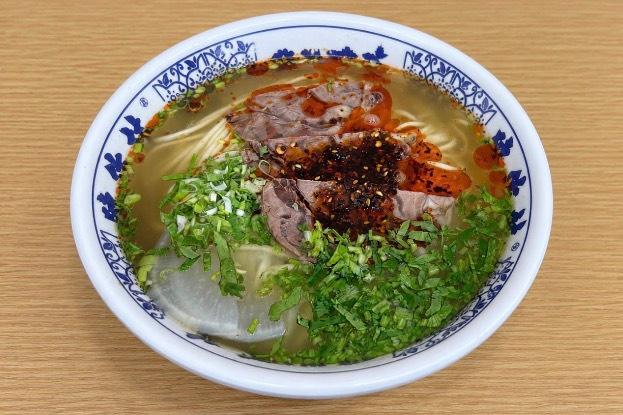
Hand-pulled wheat noodles in a clear, beefy broth with sliced beef, chili oil, cilantro, and pickled radish. The signature is the pull: dough stretched into strands of exact thickness, yielding a bowl that balances chew, fragrance, and warmth.
Super koikeyuriko · CC0
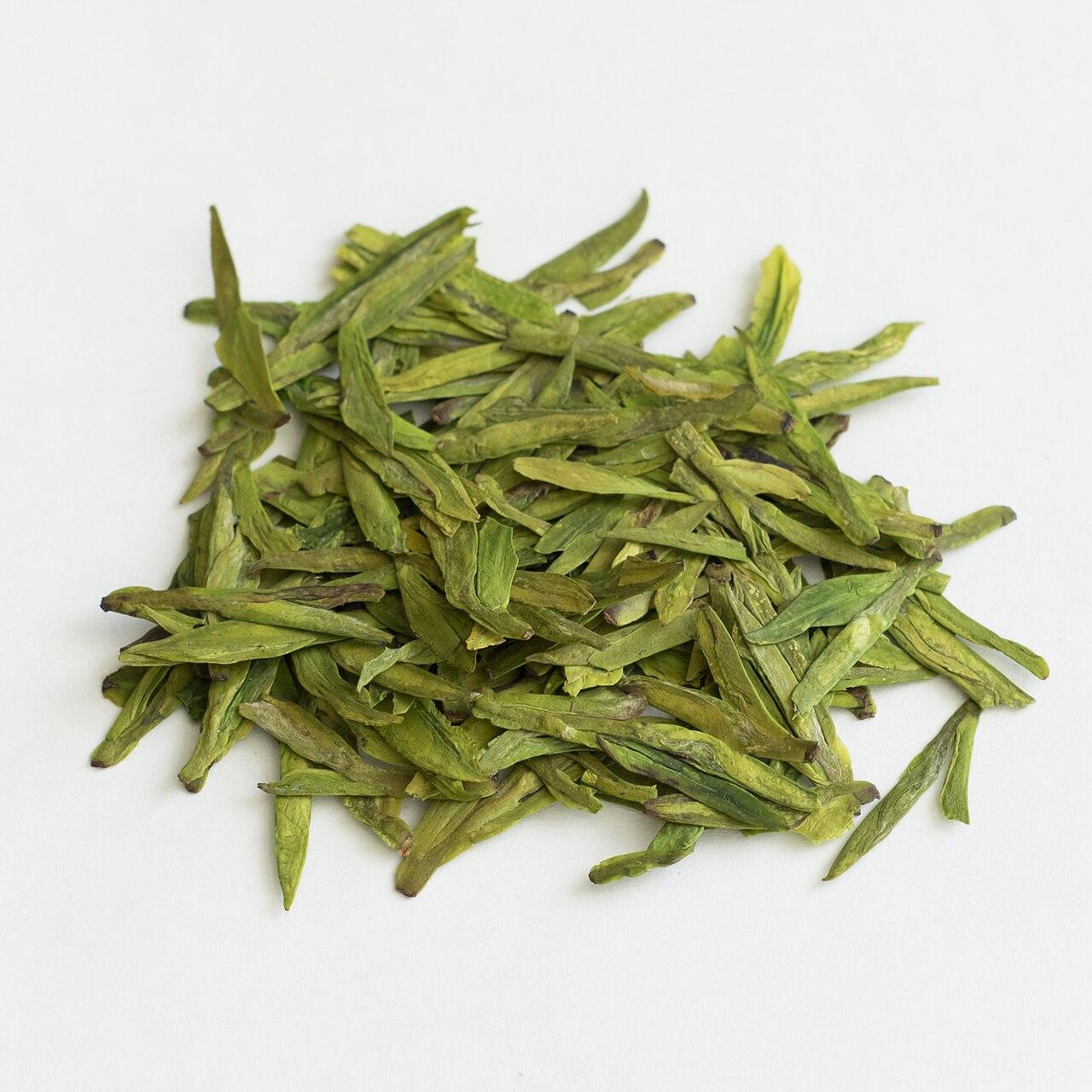
Grown around Hangzhou’s hills, Longjing is pan-fried green tea with flat, jade leaves and a chestnut aroma. Locals prize clarity and sweetness over bitterness. Sipping it in a teahouse or near the fields links taste with landscape and seasonal harvests.
Difference engine · CC BY-SA 4.0
China’s story stretches across millennia. The Qin unified warring states in the 3rd century BCE, standardizing script and roads; the Han cemented imperial bureaucracy and trade along the Silk Road. Tang cosmopolitanism and Song innovation left temples, pagodas, and classical gardens that still shape cityscapes. The Mongol Yuan ruled from Beijing, followed by the Ming, who rebuilt city walls and extended fortifications associated with the Great Wall. The Qing expanded territory and courtly culture but faced internal rebellions and foreign pressures. Defeat in the Opium Wars opened treaty ports and altered coastal architecture. The Qing fell in 1911, ushering in a republic, warlordism, Japanese invasion, and civil war. The People’s Republic was founded in 1949, bringing socialist iconography, work-unit housing, and planned industrial cities. Later market-oriented reforms transformed skylines with ring roads, subway networks, and glass towers, while heritage sites were restored and curated. Confucian, Daoist, and Buddhist traditions underpin rites, temple layouts, and classical aesthetics. Twentieth-century turmoil, including the Cultural Revolution, damaged heritage yet also reshaped public memory. Today’s museums, restored old towns, and official memorials frame how the nation remembers empire, revolution, and reform.
Safety guidance on this page is based on official government travel advice. Always check the latest advice before you travel.
Get online the moment you land with a China eSIM — no roaming bills, no swapping SIM cards.